Combining Multiple Credit Cards for Maximum Benefits
10 August 2026
Let’s talk about something that probably crosses your mind, especially when juggling your daily expenses and trying to squeeze every penny of value from your wallet—credit cards. Love them or loathe them, credit cards are more than just plastic—they’re tools that, if used smartly, can unlock a whole realm of benefits like cashback, travel points, and purchase protection.
So, what happens when you stop relying on just one shiny piece of plastic and instead use a combination of multiple credit cards? That’s exactly what we’re diving into today. Buckle up, because you’re about to learn how combining multiple credit cards can turn your everyday spending into a well-oiled rewards machine.

Why Settle for One When You Can Have More?
Let me hit you with some real talk: Not all credit cards are built the same. Some cards are excellent for groceries, others for travel, and a few are just plain amazing for everyday spending. So why settle for getting 1% cashback across the board when you could get 3%, 5%, or even more just by using the right card in the right place?Think of it like building a fantasy football team—not every player is good at everything, but when you combine your strengths wisely, you dominate. That’s the magic of smart credit card stacking.
Let’s break this down step by step.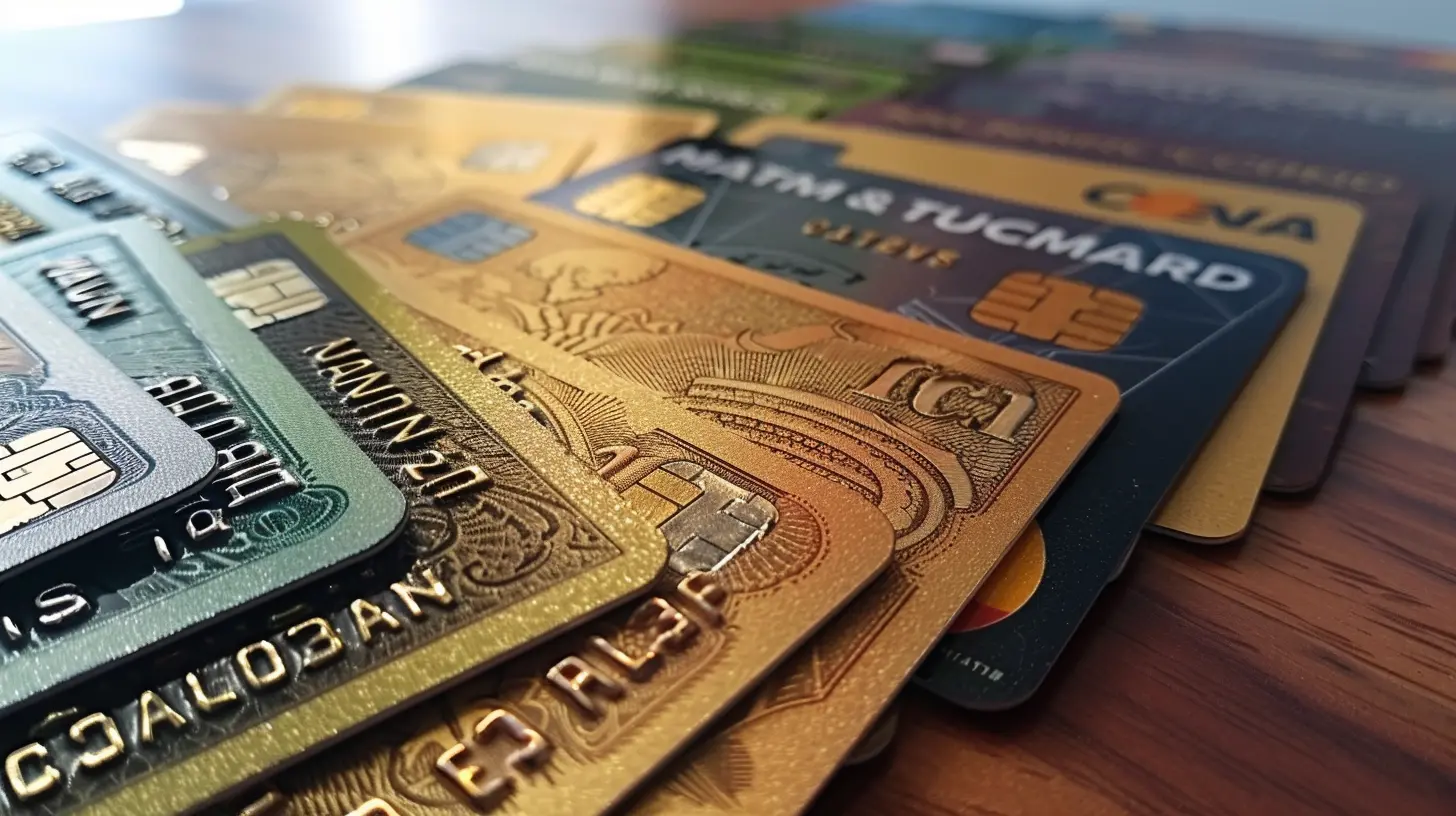
The Benefits of Using Multiple Credit Cards
When done right, combining credit cards can open up a full buffet of benefits that a single card simply can’t serve.1. Maximize Rewards on Every Purchase
Each credit card comes with its own reward structure. Some offer rotating 5% categories, others give you flat-rate cashback, and then there are those that focus on travel perks. By pairing multiple cards, you can make sure you’re always earning the highest rewards.Example: Use Card A for gas that offers 5% cashback, Card B for dining that gives 3%, and Card C for everything else with 2% cashback. Do the math! It adds up quickly.
2. Access to More Perks
Different cards come with different perks—airport lounge access, extended warranties, concierge services, travel insurance, and so on. When you have multiple cards, you’re not missing out on any of them.3. Build and Maintain a Stronger Credit Profile
By spreading your spending across multiple cards and keeping your balances low, you can lower your credit utilization ratio. This can positively impact your credit score.Pro Tip: Keep your utilization under 30% per card, and ideally under 10% overall.
4. Safety Net for Emergencies
Life happens. Unexpected expenses pop up. Having an extra card or two can be a lifesaver when your primary card gets lost, stolen, or maxed out due to an emergency.
How to Choose the Right Combination of Credit Cards
Let’s not go wild and sign up for every card you see. Strategy is key here. Here’s how to pick the right mix for your lifestyle and goals.Step 1: Analyze Your Spending Habits
Before grabbing new plastic, take a close look at your monthly expenses. Are you eating out a lot? Traveling? Driving? Shopping online? Let your spending dictate your card choices.Tip: Use apps like Mint or YNAB to track your categories easily.
Step 2: Start with a Solid Base Card
Choose a flat-rate cashback card or one with broad categories like groceries and fuel. This becomes your fallback card—your "Swiss Army knife."Top Picks:
- Citi® Double Cash Card (2% on everything)
- Chase Freedom Unlimited® (1.5% on everything, plus bonuses)
Step 3: Add Category-Specific Cards
Now layer on credit cards that reward you more for specific categories:- Dining & Entertainment: Capital One Savor®
- Travel: Chase Sapphire Preferred® or Amex Gold
- Gas & Groceries: Blue Cash Preferred® from Amex
Step 4: Consider Store and Brand-Specific Cards
If you shop frequently at places like Amazon, Costco, or Target, their co-branded cards often give you excellent returns.Just a heads up: Store cards usually have higher interest rates, so don’t carry a balance!
Secrets to Managing Multiple Credit Cards Like a Pro
Alright, you’ve assembled your squad. But managing multiple cards can quickly feel like herding cats if you’re not organized. Here’s how to stay on top without losing your mind.1. Automate Your Payments
Set up autopay for at least the minimum due to avoid late fees and protect your credit score. You can always pay off the full balance manually to avoid interest.2. Use a Credit Card Tracker
Apps like Credit Karma, Personal Capital, or even a good old-fashioned spreadsheet can help track statement dates, due dates, and reward points.3. Memorize Your Reward Categories
This might take some mental effort, but knowing which card to use for what purpose becomes second nature over time.Hack: Label your cards with a sticker (e.g., “Gas,” “Dining”) or use a mobile payment app to assign default cards for certain stores or categories.
4. Keep an Eye on Annual Fees
Some benefit-packed cards come with annual fees. Always ask yourself—“Am I getting more value from the rewards and perks than I’m paying for this fee?” If not, consider downgrading.Common Mistakes to Avoid
We’ve all made financial oopsies—and multiple credit cards can magnify them if not handled wisely. Here are the potholes to steer clear of.❌ Carrying a Balance
Rewards are great, but they’re not worth it if you’re paying 18-25% interest on a balance. Always aim to pay in full each month.❌ Applying for Too Many Cards at Once
Every application triggers a hard inquiry, which can temporarily lower your credit score. A good rule? Space out your applications by at least 3–6 months.❌ Ignoring the Fine Print
Some cards offer great intro bonuses—but only if you spend a specific amount within the first few months. Others have rotating categories that you need to activate manually. Read the T&Cs!Advanced Strategies for the Points Obsessed
If you’re the kind of person who loves squeezing extra value out of points and miles, you’ll appreciate these pro-level tactics.1. The Trifecta Strategy
Some banks offer different credit cards that complement each other perfectly. For example, Chase has:- Chase Freedom Flex® (5% rotating categories)
- Chase Freedom Unlimited® (1.5% on all purchases)
- Chase Sapphire Preferred® (combines points for travel)
Use them together, and you can supercharge your Ultimate Rewards points.
2. Chase 5/24 Rule
If you’re going for Chase cards, know this: If you’ve opened 5 or more credit cards (with any issuer) in the past 24 months, they may decline your application. Plan wisely!3. Rotate Your Spend Strategically
Timing is everything. Spend on the right card during promotional periods. Some cards offer quarterly rotating categories or limited-time offers.Are There Risks with Combining Credit Cards?
Yep. As awesome as multiple credit cards sound, they're not for everyone. If you're someone who tends to overspend, gets overwhelmed by due dates, or struggles with budgeting, juggling cards might create more stress than benefit.It’s all about control. If you can keep your spending in check and stay organized, the rewards will follow.
Final Thoughts: Make Your Wallet Work for You
At the end of the day, combining multiple credit cards is like building your dream team—a little planning, some strategy, and a healthy dose of discipline can lead to huge rewards. Whether it’s scoring free travel, racking up cashback, or building a rock-solid credit profile, there’s real value here.Just remember: more cards ≠ more debt. You’ve got to use the system without letting it use you.
So, are you ready to unlock the full potential of your credit card lineup? Start small, stay smart, and watch those rewards stack up like points at your favorite coffee shop.
all images in this post were generated using AI tools
Category:
Credit CardsAuthor:

Harlan Wallace