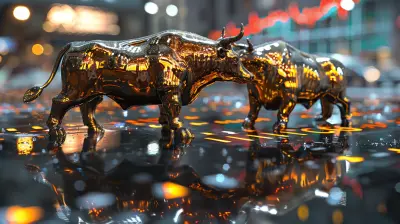
High-Risk, High-Reward: Are Speculative Crypto Projects Worth It?
7 January 2026
Let’s face it—if you’ve ever dipped your toes into the world of cryptocurrency, you’ve probably heard of someone making a killing off a coin no one had ever heard of. A few bucks turned into thousands overnight. The allure of those so-called “moonshots” is real. But behind those Cinderella stories, there’s a darker side. Welcome to the world of speculative crypto projects—where fortunes are made and lost at lightning speed.
So, are these high-risk, high-reward ventures actually worth it? Let’s break it down, have a real conversation, and see if it’s something worth throwing your hard-earned money into.
What Exactly Are Speculative Crypto Projects?
Before we can answer whether they’re worth it, we’ve gotta understand what we’re dealing with. Speculative crypto projects are usually brand-new or relatively unknown digital currencies or blockchain platforms. They’ve got hype, maybe some good ideas, but not much else—yet.Think of them like tiny startups in Silicon Valley, promising to revolutionize finance, gaming, or even how we order pizza. They might not have a working product, a clear roadmap, or even a team you've heard of. But the dream? Oh, the dream is big.
And that dream is what draws people in.
Why People Chase the Hype
People don’t throw money at speculative coins for fun—they're chasing life-changing gains. We're talking a 100x return, or a “get rich in your sleep” scenario.FOMO is Real
One word: FOMO. The Fear Of Missing Out. We’ve all been there. You see a tweet hyping some coin, your friend brags about flipping a $500 investment into $20k, and suddenly you’re wondering if the next Dogecoin is sitting right under your nose.The Power of Hype and Community
Speculative projects usually come with strong, vocal communities. On Twitter (or X), Reddit, and Telegram groups, you’ll see users hyping up the “next big thing.” Influencers stir the pot, memes fly, and charts are posted that look like ski slopes turning vertical. It’s intoxicating.
The Risk Side of the Equation
Now let’s bring it down to earth—because this isn’t just about printing money. There’s a reason these investments are labeled "speculative."1. Lack of Fundamentals
Most speculative projects don’t have a proven product, real revenue, or even a use case that makes sense. It’s like betting on a tech startup that hasn’t even built a prototype.Put simply? You’re investing in a promise. And promises can break.
2. Rug Pulls and Scams
Let’s not mince words—crypto is still the Wild West in many ways. Some projects are straight-up scams. Developers launch a coin, pump it, then disappear with the funds. That’s what’s known as a rug pull.And if you think you're too smart to fall for one, so did everyone else who lost money.
3. Volatility on Steroids
Even blue-chip cryptos like Bitcoin or Ethereum are volatile—but speculative projects? They can drop 80% in a single day. That rollercoaster might excite you, but it's not for the faint of heart. You can go from hero to zero—and fast.
What Makes a Speculative Project Worth Considering?
Okay, not all speculative projects are garbage. Some actually turn into major players. So how can you separate the legit ones from the duds?1. The Team
First step? Google the team. Are they real? Do they have LinkedIn profiles, industry experience, or have they built anything before? If their entire digital footprint is a cartoon avatar and some vague Twitter posts—run.2. The Whitepaper
Yeah, it sounds boring. But a whitepaper is like the blueprint of a project. It should clearly explain what the coin does, how it works, and why it’s different from every other token out there. If it’s just buzzwords and vague promises? Big red flag.3. Community Engagement
A strong, positive community is a good sign—but it can also be misleading. Make sure the discussions go beyond just “when moon?” Look for engagement about use cases, technology, partnerships, and roadmap milestones.4. Tokenomics
Some coins are designed in a way that benefits early adopters more than long-term holders. Look at token distribution—if the team or insiders hold a giant chunk, they could dump on you the second prices rise.The Psychology Behind Speculative Investing
Let’s get a little deeper. Why do people keep falling for sketchy projects? Why do even seasoned investors take chances they probably shouldn’t?Thrill of the Gamble
Speculative investing is like gambling with a tech twist. The thrill of a 10x return activates the same part of your brain as a slot machine. It’s dopamine on demand.Confirmation Bias
You want to believe that your pick will be the next Ethereum. So you only seek out info that confirms your beliefs. That Reddit post? “Totally makes sense.” That YouTuber saying it’s a scam? “Hater.”Sunk Cost Fallacy
You put in $500—it drops to $100. Instead of pulling out, you tell yourself it’ll rebound. You’ve already invested, so you feel like you’ve got to stick it out.Real-Life Examples: The Good, The Bad, and The Ugly
The Good: Shiba Inu
Originally mocked as a meme, SHIB turned a few dollars into millions for early investors. Yeah, pure speculation. But it built a rabid community and even launched its own DEX and layer-2 network. That’s a speculative bet that paid off (if you sold in time).The Bad: Bitconnect
Remember Bitconnect? Promised daily returns through a crypto lending platform—turned out to be a Ponzi scheme. Collapsed in 2018, and many lost everything. All hype, zero fundamentals.The Ugly: Squid Game Token
Launched after the Netflix hit “Squid Game,” this token pumped like crazy—then crashed to near zero. Why? The devs pulled the rug. Investors couldn’t even sell. A painful lesson in doing due diligence.How to Safely Navigate Speculative Crypto Waters
Let’s be clear: there’s no “safe” in speculative investing. But there are ways to be smart about it.1. Allocate Only What You Can Afford to Lose
Never, ever bet the farm. Allocate a small portion of your crypto budget—think 5% or less. That way, even if it goes to zero, it won’t wreck your finances.2. Take Profits Early
Got a 5x return? Take out your initial investment. From there, you’re playing with house money. Greed kills more dreams than failure ever will.3. Diversify Your Bets
Don’t throw everything into one coin. Spread your speculative bets across a few projects with potential. You don’t need all of them to hit—just one big win can cover everything else.4. Use a Hardware Wallet
New projects can be targets for hacks. If you’re holding a bunch of a lesser-known token, store it on a hardware wallet. Better safe than sorry.When to Walk Away
This is crucial: knowing when to quit. Not every project will recover, and not every downturn is a buying opportunity.If the developers go silent, the community turns toxic, or you start seeing red flags piling up—it’s okay to walk away. You’re not married to the token.
Are Speculative Crypto Projects Worth It?
Here’s the real talk: it depends on your goals, risk tolerance, and mindset.🌕 If you’re chasing moonshots and understand the insane risks involved—it might be worth allocating a small piece of your portfolio. Just don’t fool yourself into thinking it’s investing. It’s high-stakes gambling with tech wrappers.
🧠 Want safer, more predictable growth? Stick to Bitcoin, Ethereum, or established altcoins with clear fundamentals. There’s still plenty of upside, without the constant stomach-churning volatility.
In the end, speculative crypto isn’t inherently bad—it’s a tool. Whether it works for you or backfires? That’s all in how you use it.
Final Thoughts
Speculative crypto projects live on the fine line between genius and madness. They can give you the ride of your life—or wreck your financial future. The potential rewards are massive, but so are the risks. As with all things in life, balance is key.Don’t invest blindly. Don't let hype cloud your judgment. And most importantly—know your exit strategy before you even buy in.
No one ever went broke taking a profit. And in crypto? That phrase should be tattooed on your trading hands.
all images in this post were generated using AI tools
Category:
Speculative InvestingAuthor:

Harlan Wallace
Discussion
rate this article
2 comments
Penelope McAleer
While speculative crypto projects can offer significant returns, they also pose substantial risks. Investors must weigh potential gains against volatility and market uncertainty. A diversified portfolio and thorough research are essential to navigating this high-stakes landscape, ensuring informed decisions that align with individual risk tolerance.
March 12, 2026 at 1:50 PM
Harlan Wallace
Absolutely, balancing potential rewards with risks is crucial in crypto investing. A diversified portfolio and careful research can help navigate this volatile market effectively.
Mandy Simmons
Embrace risk; fortune favors the bold investor!
January 12, 2026 at 7:17 PM
Harlan Wallace
Absolutely! Bold investments in speculative crypto can yield significant rewards, but always assess your risk tolerance first.