Managing Credit Card Debt Without Hurting Your Credit
11 March 2026
Credit cards can be a double-edged sword—super convenient but oh-so-dangerous if not handled wisely. One moment, you're racking up rewards points like a pro, and the next, you're drowning in debt, wondering how on earth it got this bad!
If you're feeling overwhelmed by credit card debt but don’t want to destroy your credit score in the process, you’re in the right place. The good news? You can manage your credit card debt strategically without wrecking your financial reputation. Let’s break it down, step by step. 
Why Is Managing Credit Card Debt Important?
When debt starts piling up, it can feel like quicksand—the harder you try to escape, the deeper you sink. But ignoring it isn’t the solution (trust me, it only gets worse). Managing your credit card debt effectively is crucial because:✅ It prevents late fees and high interest from ballooning your balance.
✅ It protects your credit score, which affects future loan approvals, rental applications, and more.
✅ It reduces financial stress (because who doesn’t want to sleep better at night?).
Now, let’s dive into the best strategies to tackle that debt head-on without tanking your credit score. 
1. Know Where You Stand (Face the Reality!)
Before you strategize, you need to assess the damage. Grab all your credit card statements and make a list of:- Your outstanding balances
- Interest rates
- Monthly minimum payments
This may not be the most fun activity, but understanding your financial situation is the first step to fixing it. It’s a bit like stepping on the scale before starting a fitness journey—painful but necessary! 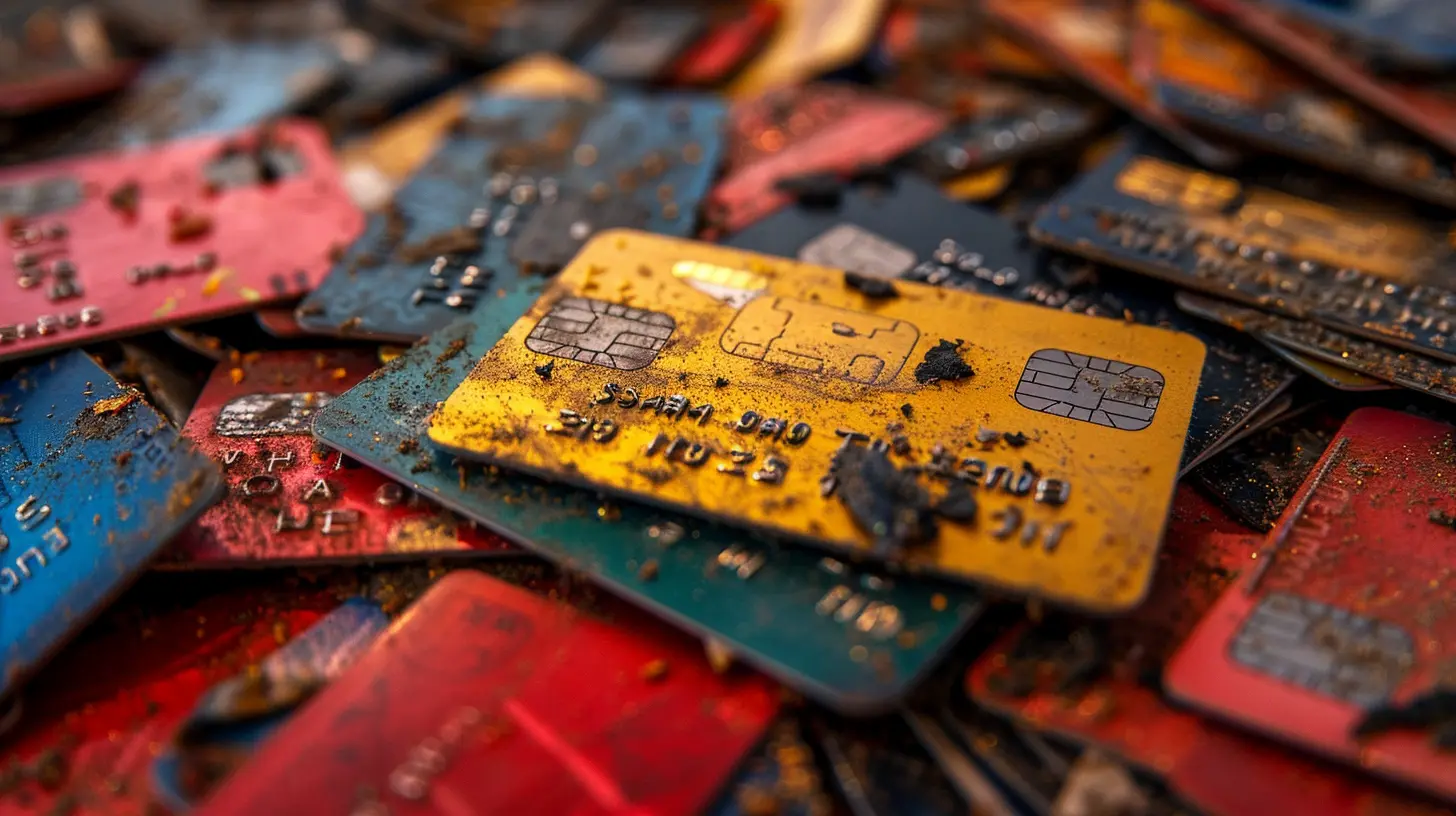
2. Make At Least the Minimum Payment (But Aim for More!)
Your credit score LOVES consistency, so missing payments is a big no-no. Even if times are tough, always try to make at least the minimum payment to avoid late fees and negative marks on your credit report.However, if you can, pay more than the minimum—just paying the bare minimum can keep you in debt for years due to compounded interest. 
3. Prioritize High-Interest Debt (The Avalanche Method)
Not all debt is created equal. High-interest rates can make your balance skyrocket before you know it. That’s why the Avalanche Method is a smart strategy:➡️ Pay the minimum balance on all your cards.
➡️ Put extra money toward the card with the highest interest rate first.
➡️ Once that’s paid off, move to the next highest interest card.
This method saves you the most money in the long run!
If motivation is a struggle, you can try the Snowball Method instead—pay off the smallest balances first to gain momentum and motivation.
4. Consider a Balance Transfer (But Be Careful!)
One way to dodge crazy-high interest rates is by transferring your balance to a card with a 0% intro APR. Sounds like a dream, right? Well, it can be if used wisely. Here’s what to watch out for:✔️ Make sure you can pay off the transferred balance before the promo period ends.
✔️ Check the balance transfer fee (usually 3-5%).
✔️ Don’t rack up new debt on the old card!
If used responsibly, this can be a great way to break free from high interest.
5. Negotiate a Lower Interest Rate
Did you know you can actually call your credit card company and ask for a lower interest rate? Yep, it’s a thing! Creditors often prefer to work with you rather than have you default. Here's how to do it:📞 Call customer service and explain that you’ve been a loyal customer.
📉 Mention better offers from competitors (if applicable).
🤝 Ask politely but confidently!
You might be surprised at what they’re willing to offer. Worst case? They say no—and you’re still in the same spot. Best case? You save big on interest!
6. Avoid Closing Paid-Off Credit Cards
Once you’ve paid off a credit card, you might think, Let’s just close this account and move on! But wait—closing a credit card can actually hurt your credit score. Here’s why:- It lowers your credit utilization ratio (how much credit you're using compared to your total limit).
- It shortens your credit history length—which makes up 15% of your score.
Instead of closing it, keep the account open and use it occasionally for small purchases (paid off in full, of course).
7. Cut Unnecessary Expenses (Yes, Even That Daily Latte 💀)
If you’re serious about paying off debt, take a hard look at where your money is going. Do you really need all those monthly subscriptions? Could you cook at home instead of eating out?Small changes can free up extra cash to put toward your balances. Imagine canceling just one $15 subscription—over a year, that’s $180 that could go toward your credit card debt!
8. Create a Budget (And Actually Stick to It!)
A budget doesn’t have to feel restrictive—it’s just a plan for your money. Make it fun! Use an app or good old-fashioned pen and paper to track:🔹 Essentials (rent, utilities, groceries).
🔹 Minimum credit card payments.
🔹 Extra payments toward debt.
🔹 Fun money (because you still need joy in your life).
Seeing where your money goes can help prevent unnecessary spending and keep you on track.
9. Increase Your Income (Side Hustle, Anyone?)
If cutting expenses isn’t enough, consider bumping up your income. Thanks to the internet, there are tons of ways to make extra money, such as:💻 Freelancing (writing, graphic design, social media management).
🛒 Selling unused items online.
🚗 Driving for Uber or DoorDash.
📚 Tutoring or teaching a skill online.
Even an extra $200/month can make a huge difference in paying off debt faster.
10. Stay Motivated & Celebrate Small Wins
Paying off debt isn’t a sprint—it’s a marathon. Staying motivated is key! Celebrate small wins like paying off a card or hitting a milestone. Treat yourself (within reason) when you reach a goal—maybe a nice home-cooked dinner instead of takeout.And remember, you’re not alone. Millions of people have climbed out of credit card debt, and so can you!
Final Thoughts: You’ve Got This!
Managing credit card debt without hurting your credit is totally doable—it just takes a solid plan, a bit of discipline, and some patience. Remember to pay on time, tackle high-interest debt first, and avoid taking on new debt while paying off the old.Most importantly? Don’t beat yourself up. Financial struggles happen, but what matters most is how you respond to them. Keep going, stay focused, and before you know it, you’ll be financially freer and stress-free!
all images in this post were generated using AI tools
Category:
Credit CardsAuthor:

Harlan Wallace
Discussion
rate this article
2 comments
Shannon Kearns
In a dance of dollars, tread with care, Balance your burdens, ambitions laid bare. Whispers of wisdom guide your way, To manage your debt, let credit not fray. In harmony, balance—your future’s light sway.
April 26, 2026 at 4:30 AM
Tala Kearns
While the article provides valuable strategies for managing credit card debt, it underestimates the psychological toll of debt on individuals. Encouraging a holistic approach, including financial education and emotional support, could enhance readers' ability to manage debt without compromising their credit health.
March 12, 2026 at 4:48 AM
Harlan Wallace
Thank you for your insights! I agree that addressing the psychological aspects of debt is crucial and appreciate your suggestion for a holistic approach. I'll keep this in mind for future discussions.