Smart Strategies for Navigating Short Term Market Fluctuations in 2027
16 April 2026
Let’s be honest: the market in 2027 is going to throw some punches. Whether it’s another AI hype cycle crashing back to earth, geopolitical tensions sparking currency chaos, or a sector we can’t even imagine yet going supernova, volatility isn’t just a possibility—it’s a guarantee. The dizzying ups and downs can feel like being on a rickety rollercoaster blindfolded. Your stomach lurches, your knuckles whiten, and every instinct screams to either bail out or double down.
But what if I told you that these short-term fluctuations, as nerve-wracking as they are, don’t have to be your enemy? In fact, for the prepared investor, they can be the very thing that separates a mediocre portfolio from a resilient, thriving one. Navigating them isn’t about having a crystal ball; it’s about having a smart, flexible playbook. This isn’t about predicting every dip and peak—that’s a fool’s errand. This is about building a financial vessel sturdy enough to handle any storm 2027 brews, and maybe even using its winds to your advantage.

The 2027 Landscape: Why Volatility is the New Normal
Before we dive into the strategies, we need to understand the playing field. The market of 2027 isn’t your grandfather’s stock exchange. It’s a hyper-connected, algorithmically-driven, and sentiment-sensitive beast. A single tweet from a major tech CEO, a policy shift from a central bank on the other side of the globe, or a breakthrough in quantum computing can send ripples (or tsunamis) through asset classes in milliseconds.We’re living in an era of perpetual transition. The full integration of AI across industries, the maturation of blockchain applications beyond crypto speculation, the global scramble for energy and rare earth resources, and the shifting demographics of an aging population in developed nations—all of these megatrends will be in full, messy swing. This creates incredible opportunities, but also incredible friction. And in the markets, friction manifests as volatility.
Think of it like this: the market is a vast ocean. For decades, we sailed on relatively predictable seas with known currents. Now, we’re navigating where multiple powerful storms (megatrends) are converging. The waves are bigger, come from unexpected directions, and the old maps are partly obsolete. Your goal isn’t to calm the ocean; it’s to learn how to sail brilliantly within it.
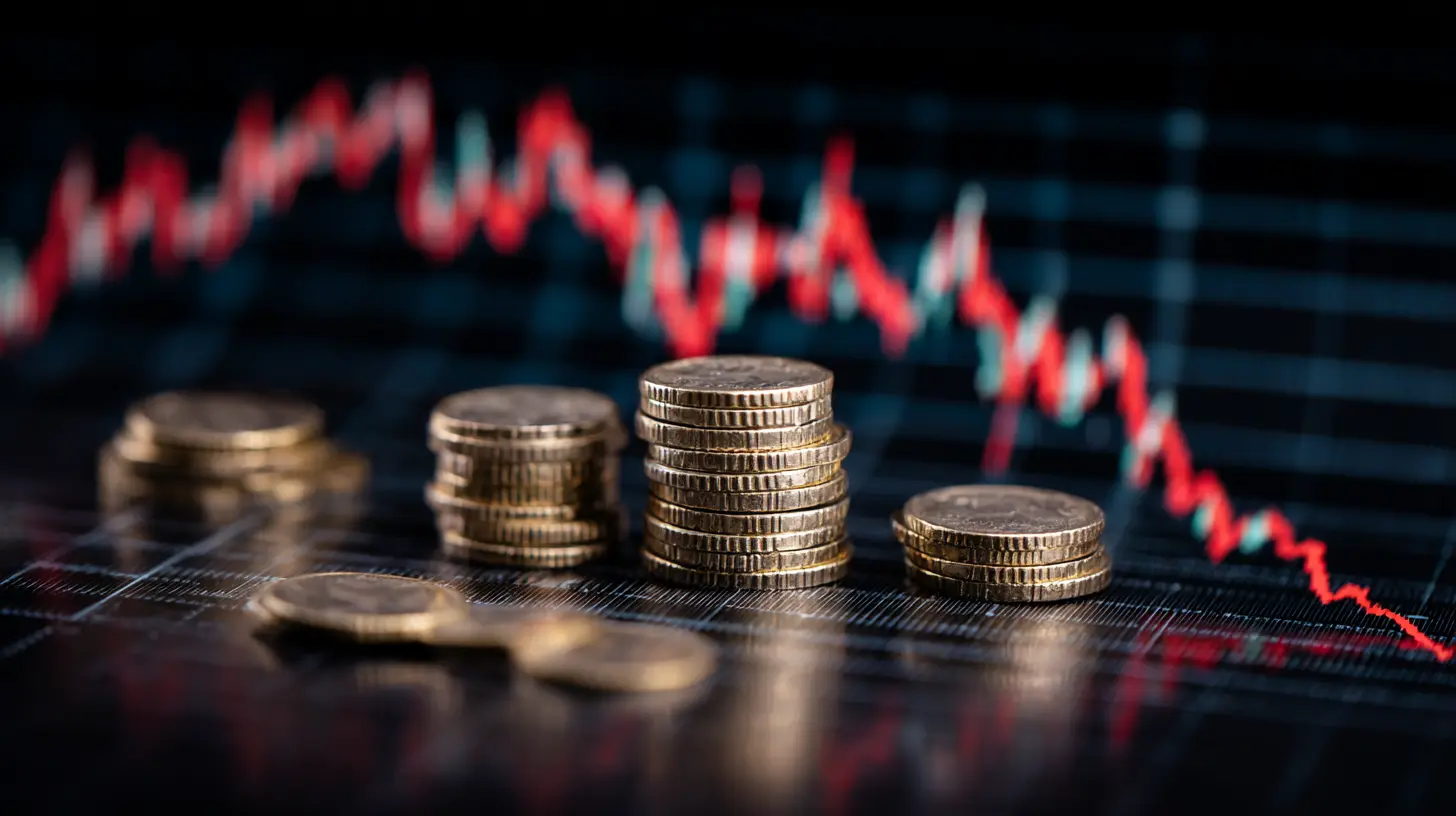
Foundational Strategy #1: The Unshakeable Core Portfolio
Your first and most crucial line of defense against 2027’s mood swings is something boring. Profoundly, beautifully boring. I’m talking about your core portfolio. This isn't the fun money; this is the fortress money. It should represent the majority of your investable assets and be built to weather any short-term storm without you losing a minute of sleep.How do you build this fortress?
* Broad Diversification: This goes beyond just owning a few different tech stocks. We’re talking true asset class diversification—a mix of low-cost total market index funds (U.S. and international), bonds, and perhaps a small slice of real estate (via REITs). In 2027, with sectors rotating at lightning speed, owning the whole haystack is smarter than searching for the needle.
* Automation is Your Ally: Set up automatic, consistent contributions. This isn’t just about discipline; it’s a mathematical superpower called dollar-cost averaging. When prices plunge in a short-term fluctuation, your automatic buy gets you more shares at a discount. When prices soar, you buy fewer. Over time, this smooths out your average cost beautifully. You’re not timing the market; you’re letting time in the market work for you.
* The "Sleep Test" Allocation: Adjust the ratio of stocks to bonds in your core until you reach a point where a 10% or even 20% market drop wouldn’t have you staring at the ceiling at 3 a.m. That’s your personal risk tolerance. In 2027, knowing this number is more valuable than any hot stock tip.
This core is your anchor. It keeps you from capsizing. It’s the 80% of your effort that gives you the psychological stability to deal smartly with the other 20%.
Foundational Strategy #2: Cultivating the Right Mindset (Your Most Important Asset)
Your psychology is your single greatest asset or liability when the charts turn red. In 2027, with information (and misinformation) flowing faster than ever, mastering your internal narrative is non-negotiable.* Recognize the Noise Machine: Financial media thrives on fear and greed. Every minor dip is a "crisis," every rally is a "boom." Your job is to differentiate between a fundamental shift (a company’s business model is broken) and mere short-term noise (the market had a bad day because of an inflation report). One requires action; the other requires you to shut off the screen and go for a walk.
* Reframe "Risk": We’re conditioned to see a falling portfolio value as "losing money." But have you actually sold? If not, you haven’t lost a dime; you’re just seeing a temporary markdown on the assets you own. For a long-term investor, a market drop is a sale on your future. Can you train your brain to see it that way?
* Practice "What If" Scenarios: Seriously, sit down and write it out. "What if my portfolio drops 15% in Q2 of 2027?" Your written response should be your playbook: "I will check my core allocation, rebalance if necessary, and remind myself of my 10-year plan." Having this script ready prevents panic from writing a terrible one for you in the moment.

Tactical Maneuvers for the Opportunistic Investor
Once your core and mindset are rock-solid, you can consider a small "opportunity" portion of your portfolio—let’s say 5-15%. This is for navigating and potentially profiting from the short-term fluctuations themselves. Warning: This is advanced sailing. Don’t venture here without your foundational lifejacket securely on.* Strategic Rebalancing: This is your primary tactical tool. Let’s say your target is 70% stocks, 30% bonds. A big market drop in 2027 might shift that to 65%/35%. Rebalancing means selling some of your now-overweight bonds and buying the now-underweight stocks. You’re forced to buy low and sell high on autopilot. It’s a volatility-harnessing machine.
* Sector Rotation with a Caveat: 2027’s megatrends will create waves in specific sectors (e.g., clean energy, automation, healthcare tech). Instead of stock-picking, consider using sector-specific ETFs to tilt your opportunity portfolio toward areas you believe have long-term promise but are currently undervalued due to short-term fear. This is a bet on a theme, not a single company’s CEO.
* The Cash Cushion as a Strategic Weapon: Always keep a small allocation in cash or cash equivalents (like money market funds). Why? Because when a true market panic hits—and it will—having "dry powder" is empowering. You can deploy it to buy your favorite assets at fire-sale prices. That cash isn’t idle; it’s a tactical reserve waiting for its moment.
What NOT to Do: The Classic Pitfalls of 2027
Knowing what to avoid is half the battle. Here are the sirens that will try to shipwreck you:1. Chasing Performance: Buying into whatever asset class or crypto token just had a 200% run-up is a recipe for buying at the peak. The trend you see on social media is already in its late stages.
2. Succumbing to "FOMO" and "FUD": Fear Of Missing Out and Fear, Uncertainty, Doubt are the twin engines of bad decisions. Your strategy must be built to be immune to both.
3. Making Emotional, All-or-Nothing Moves: Selling everything in a panic or going "all in" on a gut feeling isn’t strategy; it’s gambling. The market has a brutal way of humbling gamblers.
4. Ignoring Tax Implications: Short-term trading in a taxable account can turn a nominal gain into a net loss after taxes. Always consider the tax cost of your tactical moves.
Putting It All Together: Your 2027 Volatility Playbook
So, imagine it’s October 2027. A new regulatory crackdown on data privacy has sent tech stocks into a tailspin for three weeks straight. Headlines are apocalyptic. Here’s what your smart strategy looks like in action:1. You don’t panic. Your core portfolio of index funds and bonds is down, but it’s designed for this. It’s holding firm.
2. You check your allocation. You run the numbers and see your stock allocation is now 5% below your target because of the drop.
3. You execute your plan. You use your strategic cash or rebalance from bonds to buy more of the broad-market, low-cost stock funds that are "on sale."
4. You ignore the noise. You don’t try to bottom-tick the market. You make your disciplined move and step away.
5. You review your opportunity sleeve. Is the tech sell-off overdone on quality companies you believe in long-term? Maybe you use a tiny portion of your opportunity fund to add a little, knowing it’s a speculative add-on to your already-secure core.
You’ve just successfully navigated a short-term fluctuation. You didn’t predict it, but you were prepared for it. You turned market fear into a long-term advantage.
The Long Game in a Short-Term World
The secret that 2027’s frantic headlines will try to obscure is that time is still your greatest ally. Short-term fluctuations are like waves on the surface of the ocean. They are dramatic, powerful, and demand respect. But beneath them, the deeper currents of economic growth, innovation, and human progress continue to move steadily forward. Your smartest strategy is to build a vessel that can handle the waves while staying committed to the deeper journey.Start today. Fortify your core. Train your mind. Define your small set of tactical rules. Then, you can watch the fluctuations of 2027 not with dread, but with the calm confidence of a prepared captain. The storm isn’t something to fear; it’s just another part of the voyage.
all images in this post were generated using AI tools
Category:
Short Term InvestingAuthor:

Harlan Wallace
Discussion
rate this article
1 comments
Grayson Cruz
Short-term market swings in 2027? Just remember: it’s like riding a rollercoaster—scream if you must, but hold on tight!
April 23, 2026 at 2:58 AM
Harlan Wallace
Great analogy! Staying steady is key, even when the ride gets wild.