Tax Refunds for Freelancers: What You Need to Know
18 May 2026
Being a freelancer comes with plenty of perks—flexible schedules, the ability to choose your projects, and the freedom to work from anywhere. But when tax season rolls around, things can get a little tricky. Unlike traditional employees who have taxes automatically withheld from their paychecks, freelancers need to handle everything on their own.
One silver lining? You might be eligible for a tax refund! But how do tax refunds work for freelancers, and what can you do to maximize yours? Let’s break it all down in a simple and easy-to-understand way. 
Do Freelancers Even Get Tax Refunds?
The short answer is: Yes, freelancers can get tax refunds—but it's not as common as it is for traditional employees. Because employers withhold taxes for regular workers, many of them overpay throughout the year and get a refund when they file.Freelancers, on the other hand, typically make quarterly estimated tax payments. If you overpaid your taxes during the year or qualify for deductions that reduce your taxable income, you may be eligible for a refund. However, if you underpaid, you might owe the IRS instead.
So, how can you ensure you don’t overpay or underpay? That’s where smart tax planning comes in! 
Understanding Your Tax Responsibilities as a Freelancer
Before diving into how to get a tax refund, it's crucial to understand what taxes you’re responsible for. As a freelancer, you don’t just pay income tax—you also owe self-employment tax.1. Self-Employment Tax (SE Tax)
This tax covers Social Security and Medicare. Since full-time employees have these taxes automatically deducted from their paycheck (with their employer covering half), freelancers must pay the full amount themselves. In 2024, the self-employment tax rate is 15.3% of your net earnings.2. Federal and State Income Taxes
Freelancers must also pay federal and state income taxes based on their earnings. These rates vary depending on your income bracket and location. If you live in a state with no income tax (like Texas or Florida), you only need to worry about federal taxes.3. Quarterly Estimated Taxes
Instead of paying taxes once a year, freelancers are required to make quarterly estimated tax payments (typically due in April, June, September, and January). This helps prevent a huge tax bill at the end of the year.If you overpay on these estimated taxes or claim enough deductions, you could qualify for a refund when you file your return. 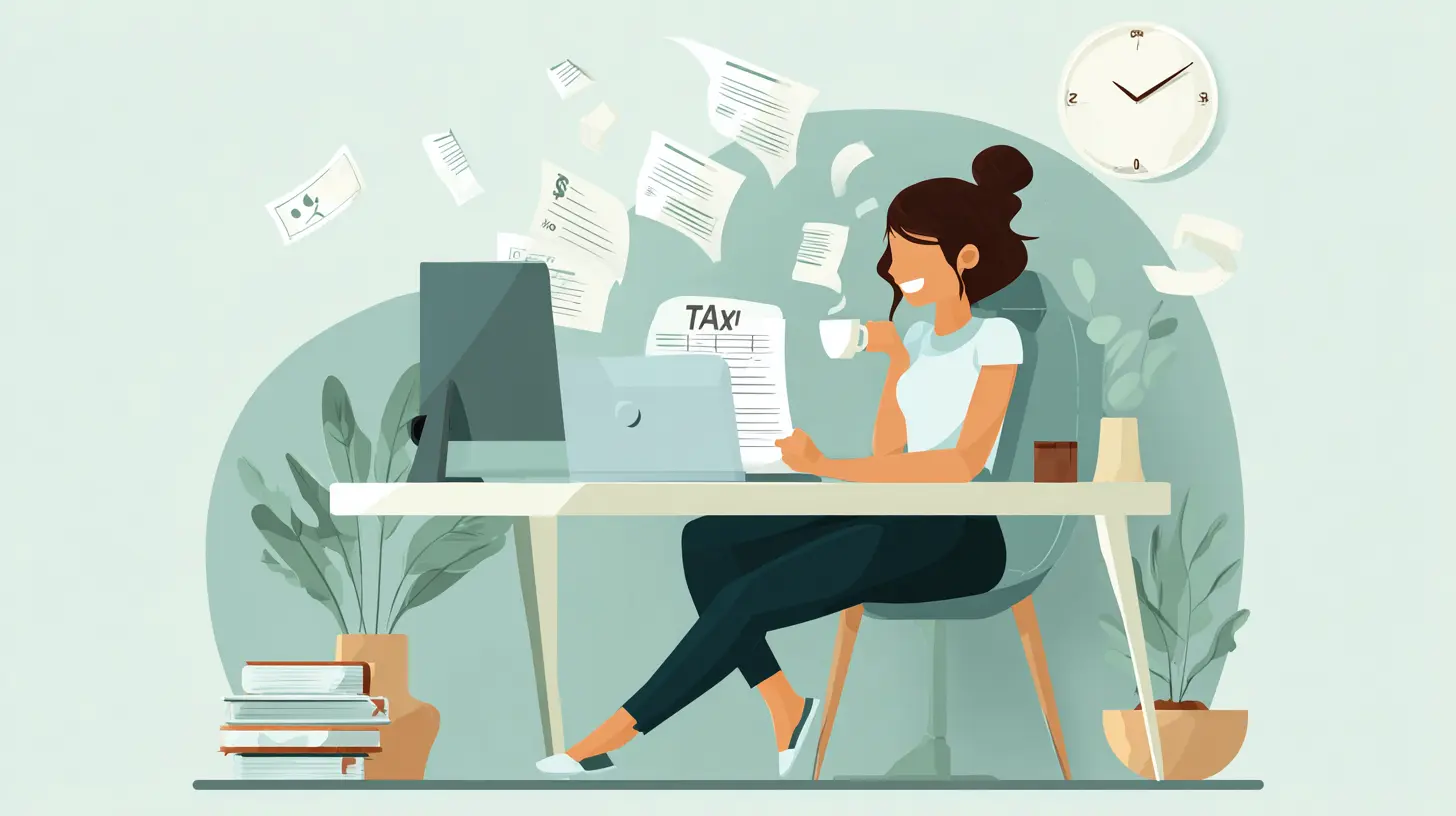
What Can Help You Get a Tax Refund?
Now, let’s talk about how you can maximize your chances of getting a refund or at least reduce your overall tax bill. The key lies in deductions, tax credits, and smart record-keeping.1. Deductible Business Expenses
One of the biggest advantages of being a freelancer is that you can deduct business-related expenses. These deductions reduce your taxable income, which means you owe less in taxes—and could even net you a refund.Some common freelance tax deductions include:
- Home Office Deduction – If you work from home, you may be able to deduct part of your rent, utilities, or internet bill.
- Equipment & Supplies – Laptops, software, office supplies, and other tools you need to do your job can be deducted.
- Professional Services – If you pay for accountants, legal advice, or virtual assistants, those fees may be deductible.
- Marketing & Advertising – Website hosting, social media ads, and business cards all count as deductible business expenses.
- Health Insurance Premiums – If you’re self-employed and pay for your own health insurance, you may qualify for a deduction.
The more deductions you claim, the lower your taxable income—leading to potential refunds.
2. Tax Credits for Self-Employed Individuals
In addition to deductions, tax credits can directly reduce the amount of taxes you owe. Some useful tax credits for freelancers include:- Earned Income Tax Credit (EITC) – If your income falls within certain limits, you may qualify for this refundable credit.
- Saver’s Credit – If you contribute to a retirement account like an IRA or Solo 401(k), you might be eligible for this credit.
- Family and Education Tax Credits – If you have dependents or are paying for school, you may qualify for additional credits.
Since tax credits reduce your tax bill dollar-for-dollar, they can help you get a bigger refund—or even turn a tax bill into a refund!
3. Keeping Good Financial Records
Good record-keeping is essential for maximizing deductions and avoiding tax headaches later. Keep track of:- Business Income – Every payment you receive for freelance work should be recorded.
- Receipts & Invoices – Save documentation for all deductible expenses.
- Mileage Logs – If you drive for work-related purposes, tracking your miles can lead to additional deductions.
- Tax Payment Records – Keep track of all estimated tax payments you've made throughout the year.
Using accounting software like QuickBooks or Wave can make this much easier. 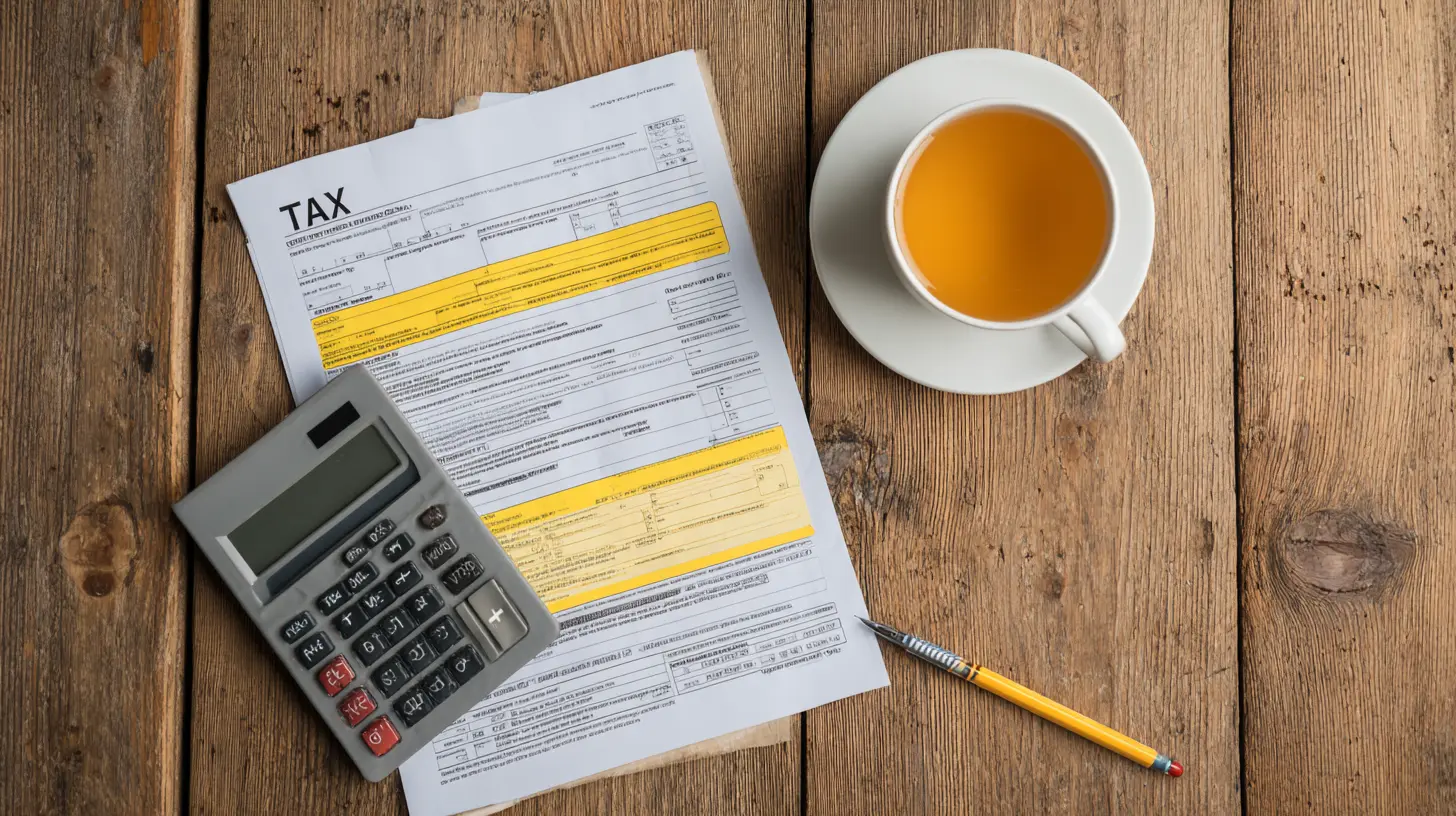
Steps to File Your Taxes & Get a Refund
If you think you're eligible for a refund, follow these steps when filing:Step 1: Gather Your Tax Documents
Ensure you have:- 1099 forms from clients (if applicable)
- Income records (even if you weren’t issued a 1099, you must report all earnings)
- Expense records for deductions
- Tax payments from quarterly filings
Step 2: Calculate Your Deductions and Credits
Make sure you deduct all eligible business expenses and claim any tax credits you qualify for.Step 3: File Your Taxes Accurately
Use tax software like TurboTax, TaxAct, or consult a tax professional to ensure you've claimed everything properly. Filing electronically speeds up the refund process.Step 4: Check Refund Status
If you're owed a refund, you can track it using the "Where’s My Refund?" tool on the IRS website.How to Avoid Owing the IRS
While getting a tax refund is great, the flip side is owing the IRS money—which nobody wants. Here’s how to avoid that:- Pay quarterly estimated taxes on time – Missing these payments can result in penalties.
- Save for taxes year-round – A good rule of thumb is to set aside 25-30% of your income for taxes.
- Keep up with deductions – The more expenses you track, the more you can write off, reducing your tax bill.
Planning ahead ensures you won’t be caught off guard when tax season arrives.
Final Thoughts
Freelance taxes can be overwhelming, but the good news is tax refunds are possible, especially if you stay on top of deductions, credits, and estimated payments. The key is good record-keeping, smart planning, and knowing what tax breaks you're entitled to.While taxes might not be the most exciting part of freelancing, getting a refund definitely feels like a win! So, take control of your finances, maximize your deductions, and maybe—just maybe—get a nice little refund from Uncle Sam.
Happy filing!
all images in this post were generated using AI tools
Category:
Tax RefundAuthor:

Harlan Wallace
Discussion
rate this article
1 comments
Thalia McNeil
Great article! Tax refunds can be tricky for freelancers, but your insights clarify the process. It's helpful to understand deductions and keep organized records. Looking forward to more tips on managing finances effectively.
May 19, 2026 at 4:25 AM
Harlan Wallace
Thanks for the feedback! I'm glad you found the tips helpful. Stay tuned for more insights on managing finances.