The Impact of Global Events on Your Stock Portfolio
26 January 2026
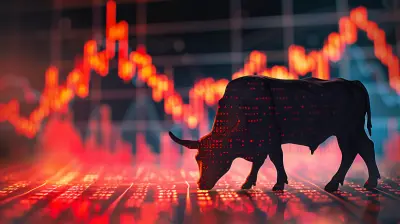
Investing in the stock market often feels like riding a roller coaster in the dark. One minute, you're climbing steadily, and the next, you're plummeting—all without knowing exactly why. One major reason for those unexpected drops and rises? Global events.
Whether you're a seasoned investor or just dipping your toes into the stock market, understanding the relationship between global events and your stock portfolio is key to staying level-headed and making smarter decisions. Let’s break it down, plain and simple.
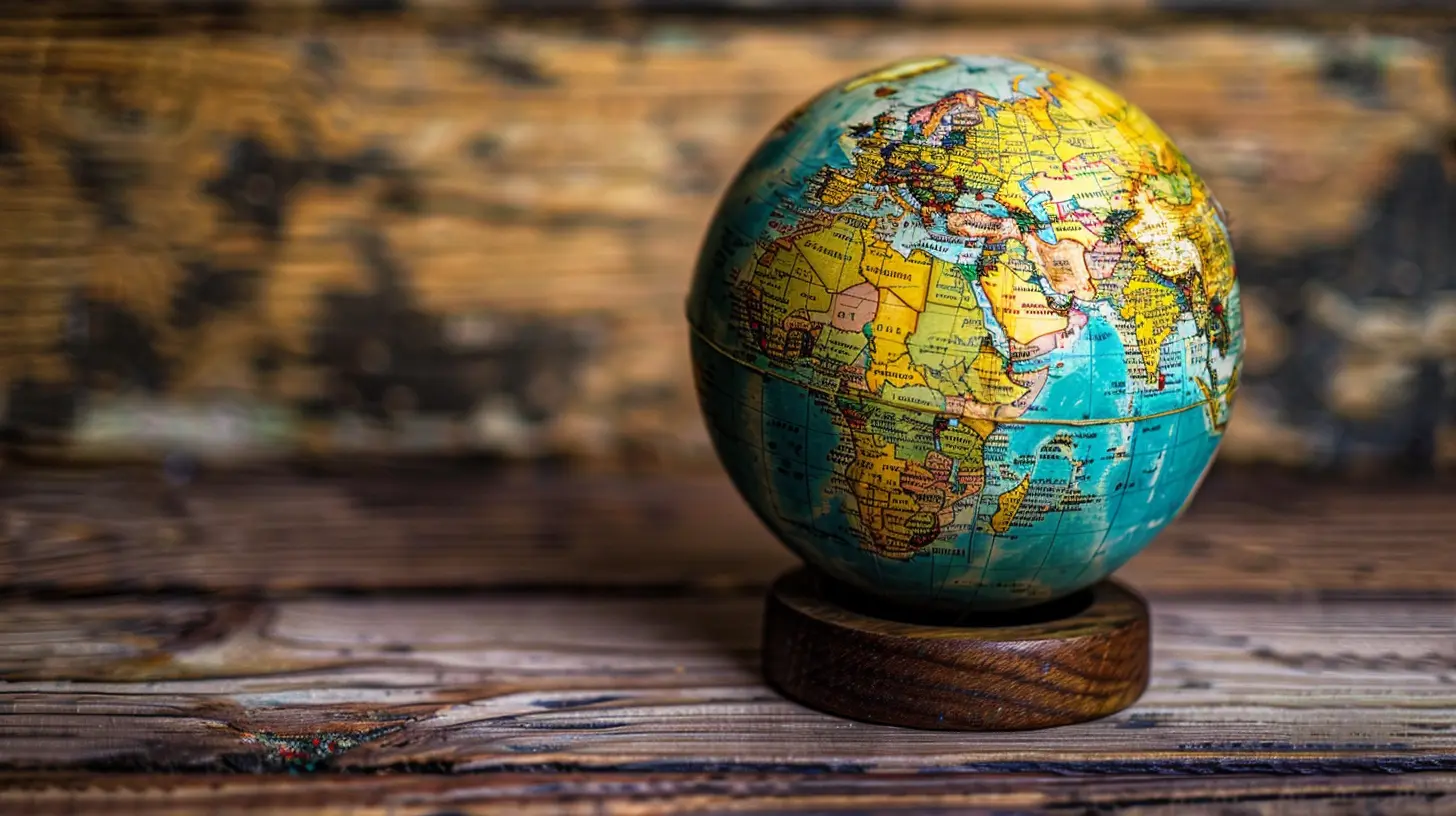
Global Events: The Butterfly Effect on Steroids
You’ve heard of the Butterfly Effect, right? The idea that a butterfly flapping its wings in Brazil can start a tornado in Texas. Well, global events are like that—but on a much larger, more immediate scale when it comes to stock markets.We're talking about wars, pandemics, political elections, trade agreements, natural disasters, and even tweets from influential leaders. These events don’t just make headlines—they shake up the financial markets like a snow globe. And when everything’s up in the air, your portfolio can start to feel the heat.
But how does this actually play out? Let’s walk through it.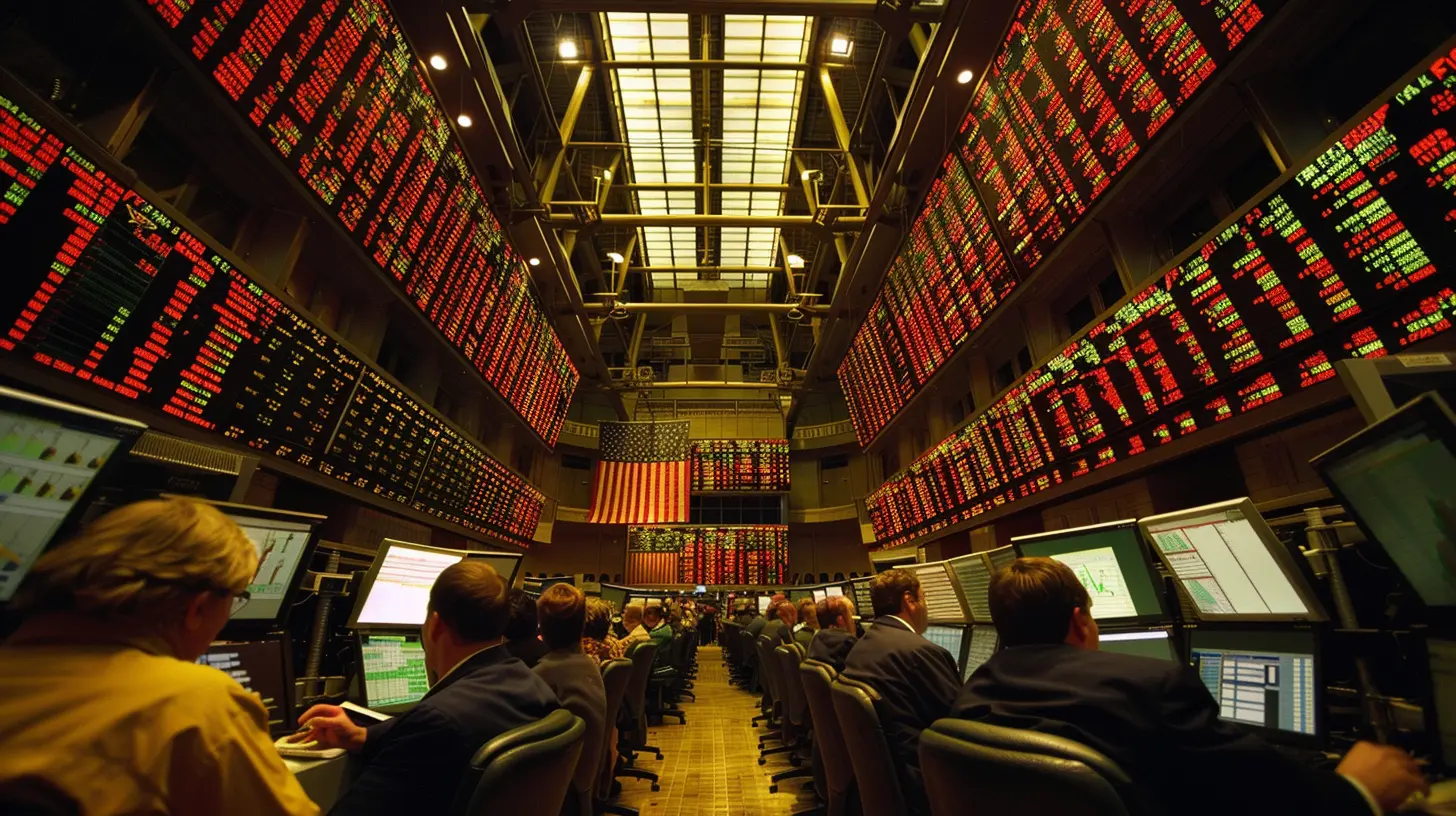
How Global Events Influence the Stock Market
1. Investor Sentiment Shifts Fast
Imagine hearing that a country with major oil reserves is facing political unrest. Even before a single barrel is affected, oil stocks might tumble. Why? Because investors get spooked. Fear and uncertainty are like accelerants in the stock market.Markets are emotional creatures, and investors hate surprises. So when a global event sparks fear—bam! People start selling, prices drop, and your portfolio could take a hit.
2. Supply Chains Take a Hit
Global events often mess with supply chains. Remember the COVID-19 pandemic? Suddenly, it was hard to get toilet paper, computer chips, and even cars. This isn’t just annoying for consumers—it's devastating for businesses.When companies can’t deliver products or services due to broken supply chains, their stock prices usually drop. And if you’re holding those stocks? Your portfolio feels the pain.
3. Currency Fluctuations Can Hurt or Help
Global events often shake up currency markets too. A war, for example, can weaken a country’s currency, making imports more expensive and exports cheaper. That’s good news for some companies and bad news for others.If your portfolio includes international equities or companies that rely heavily on foreign markets, changes in currency value can either boost your returns or drag them down.
Real-World Examples Where Global Events Rocked Markets
Let’s ditch the theory for a second and look at real moments where global events left investors gasping.The COVID-19 Pandemic (2020)
No surprise here. The pandemic was a shockwave that ripped through every major economy. Stock markets worldwide nosedived in March 2020. It felt like the world was ending – and in a way, financially speaking, it was.But interestingly, markets rebounded pretty quickly, especially in sectors like tech, e-commerce, and healthcare. That's a great reminder that while global events can cause panic, they also create new opportunities.
The Russia-Ukraine War (2022)
This conflict didn’t just affect the people directly involved—it sent ripples through global energy markets, food supply, and investor sentiment. Oil and gas prices surged as investors worried about supply disruptions.Stocks in energy sectors jumped, while others—especially those heavily reliant on European trade—tumbled. The effects were widespread and long-lasting.
U.S.-China Trade War (2018–2020)
Tariffs, angry press conferences, and sleepless nights for market watchers. The trade war between two of the world’s largest economies led to market volatility, uncertainty, and disruptions in global supply chains.Tech and manufacturing stocks felt the brunt of it. Companies like Apple, which rely on Chinese manufacturing and U.S. sales, were caught in the crossfire.
What This Means for Your Portfolio
Now that we’ve looked at how global events can shake things up, let’s think about what you can actually do about it. After all, you can’t control pandemics or political turmoil, but you can sure as heck control how you respond.1. Diversify Like a Pro
You've heard it a million times: don’t put all your eggs in one basket. But when global events strike, this advice becomes crucial.Diversification—across sectors, countries, asset classes—acts like your financial seatbelt. When one part of the market crashes, another might rise or stay steady.
For instance, in times of political instability, gold often rises as people flock to "safe haven" assets. If you held gold or gold ETFs in your portfolio, you'd have a cushion when other stocks dropped.
2. Stay Calm and Think Long-Term
If there's ever a time to keep your cool, it's during global chaos. Stock markets hate uncertainty, but they also recover—time and time again.Remember March 2020? Markets fell fast—but by summer, they had already rebounded. If you’d panicked and sold everything, you would’ve locked in losses. But if you sat tight or even bought the dip, you’d be laughing all the way to the bank.
3. Keep Cash on Hand
It doesn't mean hoarding a pile under your bed. Just have a small cash reserve or a portion of your portfolio in liquid, low-risk assets. That way, when markets dip, you’re not just an observer—you’re a buyer.Opportunities often come cloaked in chaos.
4. Monitor Global News (But Don’t Obsess)
Yes, it’s important to stay informed. But doomscrolling every geopolitical headline is no way to live (or invest).Set up trusted news alerts. Follow a few reputable finance sources. But don’t let the noise cause you to make rash moves.
Your strategy should be based on facts, trends, and your personal goals—not panic.
Which Sectors Are Most Affected by Global Events?
Not all stocks react the same. Some sectors are like dry grass in a wildfire; others are more fire-resistant.Highly Sensitive Sectors
- Energy: Oil and gas prices are directly tied to global politics.- Travel and Hospitality: Pandemics, wars, you name it—travel is always first to take the hit.
- Technology: Relies heavily on global supply chains and IP protection.
- Financial Services: Especially sensitive to interest rates, political shifts, and international banking regulations.
More Resilient Sectors
- Utilities: People still need water and electricity.- Healthcare: Often sees increased demand in crises.
- Consumer Staples: Toilet paper might become gold—but consumer staples hold up.
Is There a “Safe” Way to Invest During Global Turmoil?
There’s no silver bullet. But there are “less risky” ways.- Index Funds & ETFs: These offer built-in diversification.
- Dividend Stocks: Provide income even when stock prices dip.
- Gold & Commodities: Historically act as hedges in uncertain times.
- Government Bonds: Less sexy, but often safer.
Final Thoughts: Control What You Can
Let’s face it—you can’t control global events. As much as we’d love to stop wars, cure pandemics, or calm political storms with a snap of our fingers, that’s not how it works.But what you can control is how you prepare, react, and invest.
Stay diversified. Stay informed. Think long-term. And above all, don’t let fear steer the ship. When global events shake the foundation, your calm strategy will be the anchor.
Keep your eyes on the horizon, your emotions in check, and your portfolio ready for whatever storm comes your way.
all images in this post were generated using AI tools
Category:
Stock MarketAuthor:

Harlan Wallace
Discussion
rate this article
2 comments
Violet McNair
Thank you for this insightful article! Understanding global events truly helps us navigate our investments more wisely.
March 29, 2026 at 10:52 AM
Harlan Wallace
I'm glad you found it helpful! Understanding these connections is key to making informed investment decisions.
Chantal Lewis
Great insights! It's fascinating how global events shape our investments. Staying informed really helps navigate this unpredictable market!
January 26, 2026 at 5:37 AM
Harlan Wallace
Thank you! I completely agree—staying informed is essential for making wise investment decisions in today's ever-changing landscape.