The Importance of Keeping Your Credit Card Information Secure
1 July 2026
Let’s face it, these tiny pieces of plastic—or metal, if you're fancy—have changed the way we live. Credit cards offer so much convenience that they’ve become a part of our daily lives. From grabbing coffee at your favorite café to booking a last-minute vacation, swiping or tapping your card makes life easier. But here’s the kicker: with great convenience comes great responsibility.
We often treat credit cards like magic wands. Tap, swipe, done. But what happens when that magic gets into the wrong hands? Suddenly, your bank account starts looking like someone else's shopping spree report. That’s why keeping your credit card information secure is more important than ever.
In today’s digital world, criminals don’t need to physically steal your card—your information is often enough. So let’s sit down and talk about why securing your credit card info isn’t just good advice—it’s absolutely essential.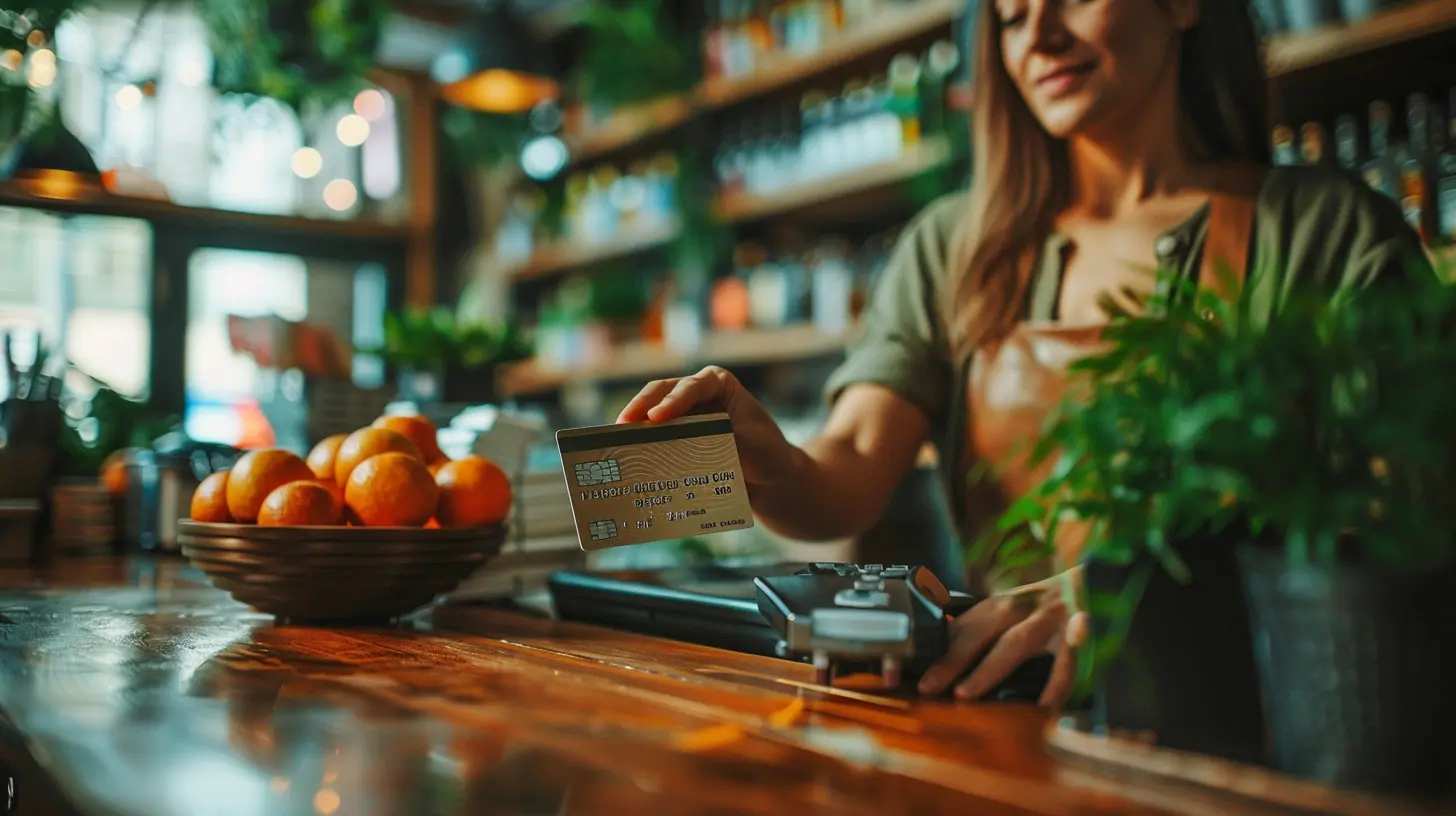
Why This Matters More Than Ever
We live in a time where you can order tacos at 2 a.m. without leaving your bed. Convenience? Yes. But it also means your credit card information travels across more servers and devices than you probably realize.Every online order, every subscription, every stored payment method is a potential entry point for hackers. Cybercriminals are like digital pickpockets—they don’t need to see your card to steal from you. One small data breach, and suddenly your personal finances are spiraling.
So, if you're not actively thinking about how to keep that information safe, you're basically leaving your front door open with a huge “Come On In” sign for scammers.
Understanding the Risks: It’s Not Just About the Money
You might be thinking, “If someone uses my card fraudulently, my bank will just return the money, right?” Technically, yes. But let’s dig a little deeper.1. Emotional Stress
Dealing with fraud isn’t just financially draining—it’s emotionally exhausting. It starts with a sinking feeling when you see a weird charge, then suddenly you're on a call with your bank for hours, filling out forms, and waiting days—sometimes weeks—for resolution.2. Temporary Loss of Access
You might lose access to your funds during an investigation. Imagine needing money for an emergency or personal commitment and finding out your account is frozen. Not a great situation, right?3. Damage to Credit Score
In some cases, fraud can affect your credit report. If your identity gets stolen and accounts are opened in your name, clearing that mess can take months, even years.So, yes, your bank may refund that $300 someone spent on a gaming console in Tokyo (even though you’ve never left Ohio), but the chaos it brings into your life? That part’s on you to manage.
How Credit Card Theft Happens: The Sneaky Ways
Understanding how information is stolen can help you guard against it better. Cybercriminals are crafty, and they get smarter every year. Here are some of the most common traps:1. Phishing Scams
You get an email that looks 100% legit—from your bank, Netflix, or even Amazon—asking you to “verify” your account info. It feels urgent, and you click out of panic. Bam! You just handed them the keys to your kingdom.2. Data Breaches
Companies can get hacked too. When that happens, your stored credit card info might become exposed. Think of all the websites that have your card saved. Scary, right?3. Public Wi-Fi
Free Wi-Fi is great... until it’s not. Using unsecured networks at coffee shops or airports makes it easy for hackers to intercept your data. You might be shopping for shoes, but someone else could be shopping with your card info at the same time.4. Skimming Devices
Ever use an ATM or gas pump that looked “a little off”? Thieves can attach skimming devices to card readers that steal your information. Most of the time, you won’t even know it happened until the charges show up.
Practical Tips to Keep Your Credit Card Info Safe
Now that we’ve got you good and freaked out (sorry, not sorry—it’s important), let’s talk solutions. Thankfully, protecting your information doesn’t require a computer science degree or living off-grid. Here are some down-to-earth, simple tips:1. Use Strong Passwords and Two-Factor Authentication
Please—stop using the same password for everything. Yes, it’s annoying to remember different ones, but it’s worth it. Use a password manager if you have to. Bonus points if you activate two-factor authentication (2FA). That way, even if someone gets your password, they still can’t log in without your approval.2. Don’t Save Card Info on Sites You Don’t Trust
We get it—saving your card info makes future purchases faster. But if you're not shopping from a major, trustworthy retailer, skip the “save my card” checkbox. Better safe than sorry.3. Shop on Secure Sites (Look for HTTPS)
Before entering your card details, check the URL. Does it start with “https”? Good. If it’s just “http,” hit that back button like your financial life depends on it—because it kinda does.4. Monitor Your Statements Regularly
Make it a habit to review your transactions. Even small, unfamiliar charges can be test runs by scammers to see if your card is active. Flag them immediately.5. Use Virtual Credit Cards
Some banks and fintech apps offer virtual credit card numbers that you can use for online purchases. These “burner” numbers are linked to your main account but can be deleted anytime.6. Be Mindful of Where You Swipe
If you’re using your card at a sketchy-looking gas station or ATM, think twice. Use machines inside banks or stores when possible—they’re less likely to have skimming devices.7. Set Up Alerts
Most banks offer text or email alerts for every transaction. If something suspicious pops up, you’ll know instantly. It’s like having a guard dog for your finances.Teaching the Importance to Loved Ones
If you’re reading this and feeling a bit more confident—great! But don’t stop there. Talk to your family, especially older relatives and kids, about credit card safety.Your grandma might not know that she shouldn't click on that “You’ve won a free cruise!” email. And your teen might think it’s cool to save their card on every gaming site they use. A five-minute conversation can save months of stress.
What To Do If You Become a Victim
Even with all the best precautions, things can still go sideways. If you suspect your card has been compromised:1. Contact your bank immediately – Time is everything.
2. Lock or freeze your card – Many apps let you do this instantly.
3. Report the fraud – File a report with the FTC and, if needed, your local police.
4. Monitor your credit – Use a credit monitoring service for a few months afterward.
5. Update your passwords and security info – Anywhere your card was stored.
Reacting quickly can make all the difference between a small inconvenience and a financial nightmare.
The Bigger Picture: It's About Trust
Let’s wrap it up with something real. Credit isn’t just about money—it’s about trust. Your credit card is like a handshake between you and the financial world. When that trust is broken, it takes time and effort to rebuild.Protecting your credit card information is like locking your front door at night. You don’t do it because you expect something bad to happen; you do it because you want peace of mind. There’s enough chaos in life—don’t let preventable fraud be one of those stressors.
So yeah, keep your card info secure, and sleep better at night. Your future self will thank you.
Final Thoughts
We live in a digital world, and your credit card security is just as important as locking your car or not giving out your house keys to strangers. The more proactive you are, the less likely you’ll be caught off guard. So take some time today to update those passwords, check your card statements, and maybe even talk to a friend about staying secure.Remember, staying safe isn’t about paranoia—it’s about being smart.
all images in this post were generated using AI tools
Category:
Credit CardsAuthor:

Harlan Wallace
Discussion
rate this article
1 comments
Candice Carter
Protecting your credit card information is crucial to prevent fraud and ensure financial security.
July 1, 2026 at 11:48 AM