The Link Between Consumer Confidence and Inflation
22 December 2025
There's a lot of economic jargon that gets tossed around, and let’s be honest, most of us don’t have the time (or the patience) to decode it all. But if there’s one topic that's worth understanding—especially with how prices have been roller-coastering lately—it’s the connection between consumer confidence and inflation.
Now, I know what you're thinking: “Really? That sounds... painful.” But hang in there—because this stuff actually affects your wallet more than you might realize. The relationship between how confident people feel about the economy and how much prices rise isn’t just something economists use to show off. It's real, it's powerful, and it's playing out in real time.
Let’s break it all down, nice and easy.
What on Earth is Consumer Confidence?
Before we dive into connections, let’s understand what we're talking about.Consumer confidence is basically a fancy way of measuring how optimistic or pessimistic people are about the economy—especially when it comes to their own financial future.
Think about it like this: if you just got a raise at work, you’ll probably feel good about spending some extra cash—maybe even splurge a little. But if your company just laid off a bunch of people and you’re worried your job’s on the line? Suddenly, buying that new TV doesn’t seem so urgent, right?
That feeling—whether people are in a "treat yourself" mood or a "save every penny" mindset—is what consumer confidence is all about.
Economists and analysts use surveys (like the Consumer Confidence Index by The Conference Board) to get a read on this. They ask people questions like:
- How do you expect your household income to change?
- What are your thoughts on the job market?
- Do you plan on making big purchases soon?
The answers paint a picture of how consumers feel about the future.
A Quick Refresher on Inflation
Now, inflation—that’s the rise in prices over time. You’ve probably felt it when your grocery bill suddenly looks like a car payment. Inflation happens when the purchasing power of money goes down. In simple words: your dollar doesn’t go as far as it used to.Some inflation is normal and even healthy for an economy. But when it gets too high or too low, it causes problems—kind of like when Goldilocks found porridge that’s too hot or too cold.
The big drivers of inflation? There are quite a few, but demand-pull inflation and cost-push inflation are the main ones. Demand-pull happens when there's more demand for goods than supply. Cost-push is when the costs to produce goods increase and businesses pass those costs onto consumers.
Here’s Where It Gets Interesting: The Connection
So, how does consumer confidence tie into inflation?Let’s keep it simple. When people feel good about the economy, they tend to spend more. More spending = higher demand for goods and services. When demand goes up and supply can’t keep pace—BAM! Prices start rising. That’s inflation flexing its muscles.
On the flip side, if people are worried—say during a financial crisis—they tighten their belts. Less spending = lower demand. Businesses might lower prices to attract buyers, slowing inflation.
See the cycle?
- High consumer confidence → more spending → higher demand → potential inflation
- Low consumer confidence → less spending → lower demand → slower or reduced inflation
It's like a supply and demand see-saw with emotions riding each end.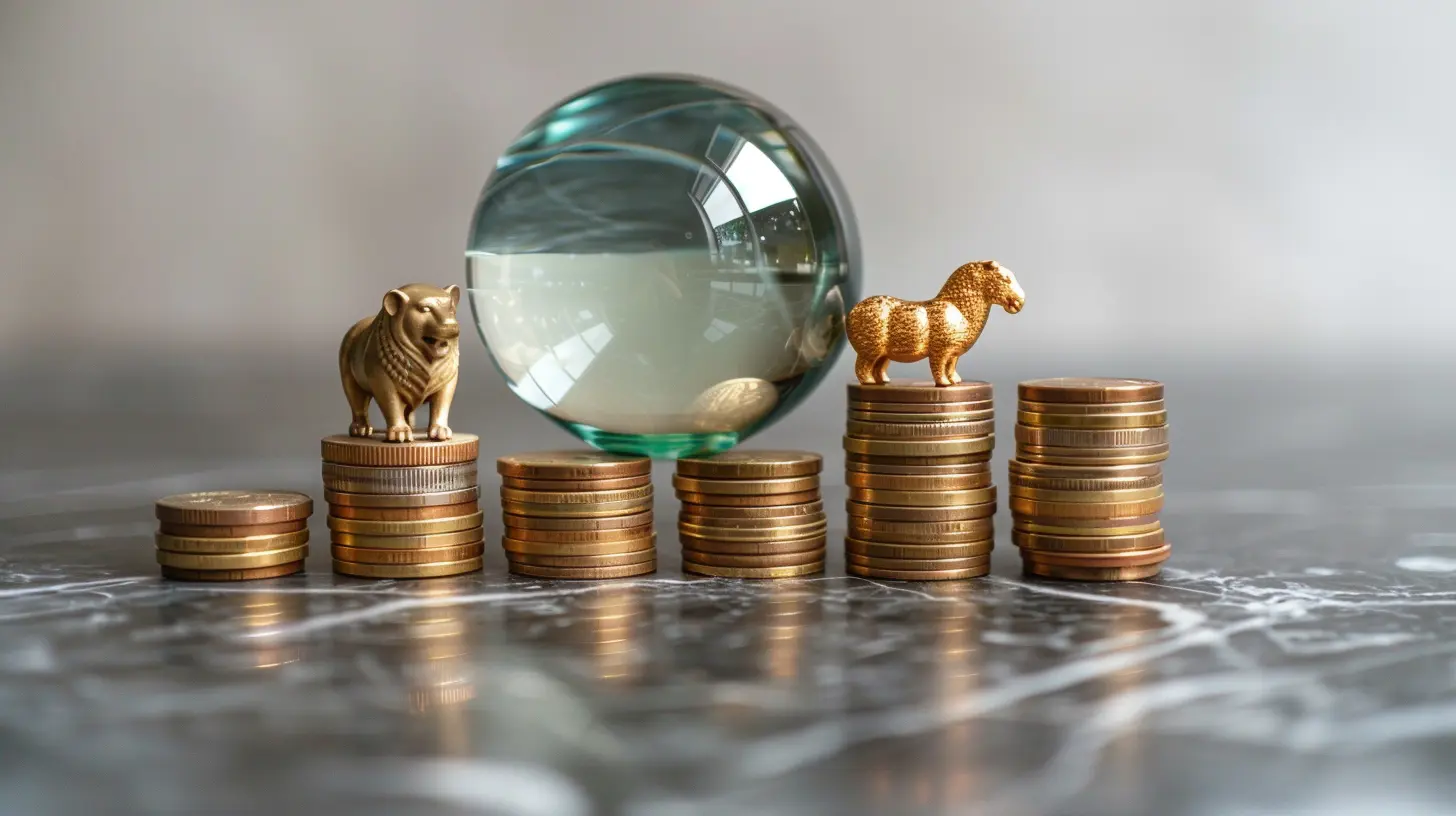
Real-World Example: The Pandemic Effect
Remember during the early months of the COVID-19 pandemic? Consumer confidence took a nosedive. People were scared—not just for their health, but also for their jobs and finances. So, they stopped spending on extras—no vacations, no new furniture, barely any eating out.Unsurprisingly, inflation was low during that period. But fast-forward a year or two—stimulus checks rolled out, spending surged, and people started shopping like there was no tomorrow. Meanwhile, supply chains were still tangled up. Demand soared, supply lagged, and guess what? Inflation shot up like a geyser.
That’s a clear-cut case showing how shifts in consumer confidence can lead or lag shifts in inflation.
Why the Fed Pays So Much Attention
You're probably wondering why economists, central banks, and Wall Street types care so much about consumer confidence.Here’s why: consumer spending makes up about 70% of the U.S. economy. Let that sink in. That means the overall economic health depends a lot on how much we—you and I—are spending.
So when consumer confidence goes up, it signals that people are likely to spend more, which can boost economic growth—but also, potentially, inflation. The Federal Reserve often responds to these trends by tweaking interest rates. If inflation’s getting too spicy, they might raise interest rates to cool things down. If confidence is low and the economy’s lagging, they might lower them to encourage borrowing and spending.
It's like the Fed has a thermostat, and consumer confidence is one of the vital sensors feeding into it.
The Lag Effect: Why Confidence Doesn’t Equal Instant Inflation
Now, just because confidence rises doesn’t mean you’ll immediately see inflation the next day. There’s a delay—a "lag" in economic-speak.Think of it like planting a seed. You water it today, and maybe in a few weeks, you see a sprout. Similarly, when confidence increases, people start spending more, businesses ramp up production, and over time, prices begin to adjust. It's a chain reaction that unfolds over months.
That’s why economists are always poring over charts, trying to predict what’s coming based on what happened last quarter.
Inflation Expectations: A Two-Way Street
Here’s another twist in the plot—consumer confidence doesn’t just affect inflation. Expectations about inflation can also impact consumer confidence.If people think prices are going to keep rising, they may feel anxious about their purchasing power. That anxiety can hurt their confidence in the economy. And when confidence drops, spending slows, which could, ironically, reduce inflation.
It’s a delicate dance, and both sides are constantly influencing each other. Kinda like a relationship—when one side gets stressed, the other feels it too.
What Happens When Confidence and Inflation Go Opposite Ways?
Interesting things happen when these two don’t move in sync.Imagine inflation is rising fast, but consumer confidence is falling. People might still spend because they fear prices will keep climbing—but they’re not happy about it. It’s called “buying ahead of inflation.” You’ve seen this during times of panic buying (remember the toilet paper saga?).
Or the flip side—when confidence is high but inflation is low. That’s often a sweet spot for an economy. People feel good, they spend, but prices remain stable. It’s like hitting the economic jackpot.
How Businesses React
Consumer confidence and inflation don’t just impact households—they shape business decisions too.- If confidence is high and inflation is trending up, businesses may raise prices or expand operations.
- If confidence slumps, companies might delay investments, lay off workers, or cut prices.
They’re reading the same economic tea leaves as the rest of us—and making moves based on how we feel about our buying power.
Tips for Everyday People (Like You and Me)
You may not be setting interest rates or publishing economic reports, but understanding this connection can actually help you in real life.Here’s how:
1. Use confidence trends to time big purchases. If consumer confidence is low, retailers may offer better deals to lure buyers.
2. Plan your savings with inflation in mind. If confidence is rising and inflation is heating up, your money might lose value over time. Consider investments that outpace inflation.
3. Don’t panic. A dip in consumer confidence doesn’t always mean disaster. It might just be a temporary shift.
The key is awareness. Once you know how this economic see-saw works, you can ride it instead of getting thrown off it.
The Bottom Line
The link between consumer confidence and inflation is real—and it’s powerful. When people feel good, they spend. When they spend, demand grows. And when demand grows faster than supply? Hello, inflation.But this isn’t just dry economic theory. It’s something that affects every trip to the store, every look at your paycheck, and every financial decision you make.
So next time you hear a report about consumer confidence or inflation numbers, don’t tune it out. That’s your money they’re talking about.
all images in this post were generated using AI tools
Category:
Inflation ImpactAuthor:

Harlan Wallace
Discussion
rate this article
2 comments
Danica Fields
Consumer confidence and inflation? It's like a bad relationship: when one flares up, the other tends to sulk. We all know it’s a dance, but let’s be real—no one wants to tango with high prices and shaky trust!
February 8, 2026 at 1:54 PM
Harlan Wallace
That's a clever analogy! It really captures the tricky balance between consumer confidence and inflation. We need stable prices for trust to strengthen.
Ainsley Hahn
This article effectively highlights the intricate relationship between consumer confidence and inflation. Understanding how these factors influence each other is crucial for making informed financial decisions, especially in today's fluctuating economic climate. Well done!
December 30, 2025 at 11:33 AM
Harlan Wallace
Thank you for your thoughtful feedback! I'm glad you found the article insightful and relevant to today’s economic challenges.