The Rise of AI in Speculative Trading: Opportunities and Pitfalls
25 July 2026
Let’s talk about something that’s shaking up Wall Street faster than a double espresso on an empty stomach — Artificial Intelligence (AI) in speculative trading. Yep, AI isn’t just about creepy chatbots or self-driving cars anymore; it’s knee-deep in the belly of the financial beast, making trades, crunching data, and leaving old-school investors gasping for breath.
We’re in the middle of a wild revolution, folks. It’s flashy, scary, and filled with promise. Whether you’re a seasoned investor or just someone who gets sweaty palms from looking at stock charts, this article is your no-BS guide to the booming world of AI-powered speculative trading.
Get comfy — we’re diving headfirst into the world of smart algorithms and (possibly) smarter risks.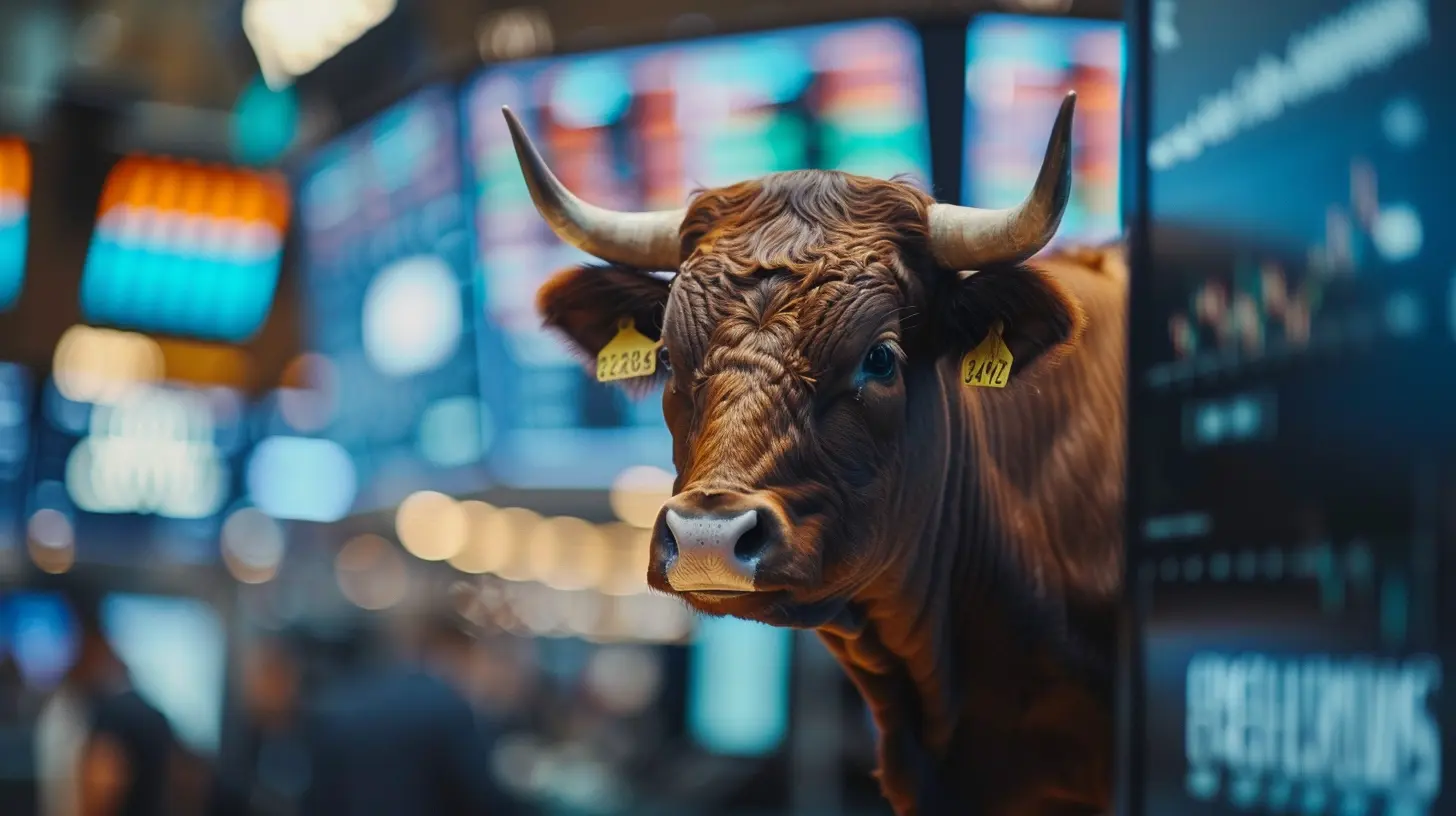
What the Heck is Speculative Trading Anyway?
Before we bring AI into the mix, let’s break down speculative trading. Think of a speculator as that high-stakes poker player who’s playing the odds, betting big on market moves, hoping to cash in fat. They trade assets like stocks, commodities, or currencies not because they love them — but because they believe the price will move. Dramatically.Now, add AI to that picture — it's like replacing the poker player with a robot who never sleeps, reacts in milliseconds, and reads the rules better than anyone at the table.
Enter AI: Your New Trading Wingman (or Frenemy?) ?
Artificial Intelligence is basically the lovechild of Big Data and computing power. In trading, AI systems process massive amounts of market data—think price patterns, economic indicators, social media trends, even tweets from Musk—and use sophisticated algorithms to predict price changes.Sound like science fiction? Well, it's not. AI is already meddling in markets across the globe. Hedge funds, retail traders, and even banks are all hopping on the AI hype train, and it’s not slowing down.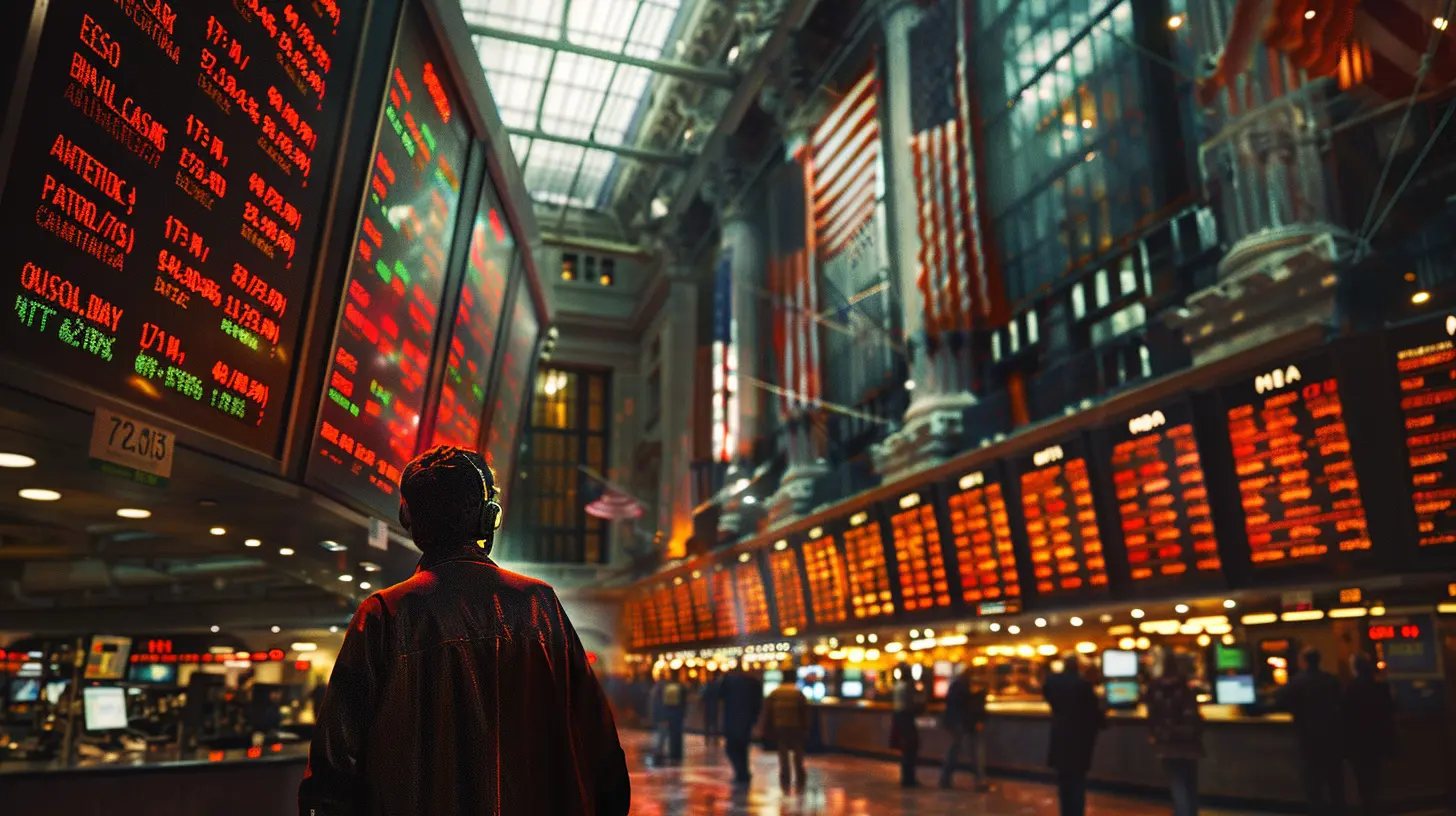
How AI is Changing the Speculative Trading Game
Let’s break down exactly how AI is flexing its muscles in speculative trading.1. Lightning-Fast Analysis
AI can analyze mind-numbing amounts of data in the blink of an eye. We're talking terabytes of pricing history, technical indicators, economic stats, and even news feeds. No human can scroll that fast, let alone make informed decisions off it.2. Pattern Recognition Like a Legend
Got a sneaky price pattern hidden in gigabytes of market data? AI sees it. Machine learning models are trained to spot micro-trends and weird price behaviors long before humans notice anything.It’s like having Sherlock Holmes on your trading desk, minus the pipe and Victorian sass.
3. Emotionless Execution
Humans? We panic. We get greedy. We fall in love with our investments. AI? It doesn’t give a damn. It makes cold, calculated decisions, based purely on data. No fear of missing out (FOMO), no irrational buying, no revenge trades. Just pure logic.4. Algorithmic Trading Strategies
Do you know about quant trading? AI eats that for breakfast. It creates and executes algorithmic strategies that adjust in real-time. Some AI bots even evolve—learning from past mistakes and updating strategies like a self-improving beast.
The Opportunities: Why AI in Speculative Trading is a Game-Changer
Now, let’s talk opportunity. Because when AI is used right, it’s not just another shiny thing—it could be a damn goldmine.? Enhanced Trading Efficiency
Human traders take hours to do what AI systems do in seconds. That means more trades, faster turnaround, and a much leaner operation. Time is literally money, and AI keeps the clock ticking in your favor.? Data-Driven Insights
You don’t need to be a financial wizard when you’ve got an AI that talks like one. These systems extract actionable insights from raw data, helping traders identify hidden opportunities others might miss.? 24/7 Market Monitoring
Crypto never sleeps, and neither does AI. Unlike humans, AI doesn’t need coffee, a lunch break, or Netflix downtime. It watches global markets every second, ready to jump on profitable setups.? Predictive Analytics
Based on historical data, AI can project future market behavior with a scary level of accuracy. Not perfect (we’ll get to that), but enough to give traders a serious edge.The Pitfalls: Where AI Might Totally Burn You
Now, before you go naming your trading bot "MoneyMaker3000" and giving it total control of your brokerage account, let’s talk risks. Because there are plenty.? Garbage In, Garbage Out
Just because it’s AI doesn’t mean it’s magic. If you feed it crappy or biased data, you’ll get equally crappy results. Always remember: AI isn’t smarter than its data.⚠️ Overfitting: The AI Ego Trip
AI can sometimes get too smart for its own good. Overfitting happens when it learns the training data so well that it fails to perform in the real world. That’s like a student who memorizes the textbook but bombs the test.? Flash Crashes and Rogue Trades
AI’s speed can be a double-edged sword. In 2010, the stock market experienced a "Flash Crash" partly due to automated trading systems. One wrong signal, and your AI could sell off your whole portfolio before you even blink.? Lack of Transparency
Some AI models are total black boxes. They give you an output (like “BUY APPLE!”), but you might have no clue why. That can make it tough to trust or troubleshoot your system when things go sideways.?⚖️ Regulatory Red Flags
Regulators are scrambling to keep up with AI in finance. From compliance to ethical concerns, you need to know where the legal lines are. The last thing you want is your AI bot getting you in hot water with the SEC.Human vs. Machine: Can You Still Compete?
Short answer? Yes. But it’s getting harder.AI might beat humans in speed and data analysis, but it lacks something critical: intuition. Market sentiment, political nuances, breaking news — sometimes, you just need a gut feeling. Human traders can still spot BS or warning signs that machines overlook.
Think of AI as your super-smart assistant, not your boss. Humans who can harness AI without blindly relying on it will have the upper hand.
Best Practices for Using AI in Speculative Trading
If you’re thinking about dipping your toes in the AI trading pool, here’s how to not drown:✅ Start with a Clear Strategy
Don’t let AI run wild. Define your goals: Are you scalping? Swing trading? Long-term holding with speculative spice? Craft a strategy first, then code it.? Backtest, Backtest, Backtest
Serious about AI? Then you better be serious about backtesting. Run your algorithm on historical data to see how it performs under different conditions before going live.? Keep It Updated
Markets evolve. So should your AI. Regular updates, retraining, and performance checks are a must. Stale AI is worse than no AI.? Risk Management is Non-Negotiable
Set stop-losses. Use position sizing. Don’t bet the farm on a single AI trade, no matter how sweet it looks.? Monitor Like a Hawk
Even though it’s automated, it still needs oversight. Glitches happen. Markets go nuts. Be ready to pull the plug if your bot starts acting like it’s auditioning for "Black Mirror."The Future: Where is All This Going?
Speculative trading is heading into an era of hyper-automation. AI will get faster, smarter, and—eventually—more emotionally "aware" (hello, sentiment analysis). We’re talking:- Neural networks that mimic human thought
- AI agents negotiating trades with each other
- Predictive systems factoring in global geopolitical tensions
The goal won’t just be speed. It’ll be understanding complexity and adapting in real-time. Traders who resist AI will feel like they’re fighting a gunfight with a slingshot.
But don’t let the tech intimidate you. Remember, AI is a tool. A powerful one, yes — but still a tool. The trader who knows how to wield it wisely will always have the edge.
Final Thoughts: Risky Business or Just Smart Investing?
The rise of AI in speculative trading is one of the most exciting (and terrifying) shifts in modern finance. It’s not a question of if you’ll encounter it, but how you’ll roll with it.If you use AI responsibly, with a good dose of human intuition and strict risk management, it's like adding a turbocharger to your trading car. But trust it blindly, and you could end up in a twisted wreck on the side of the financial highway.
So, be smart. Be bold. And let AI be your ally—not your overlord.
all images in this post were generated using AI tools
Category:
Speculative InvestingAuthor:

Harlan Wallace