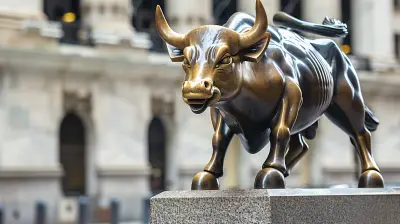
The Role of Leverage in Speculative Investing
1 February 2026
When it comes to investing, the word "leverage" can either excite or terrify you. It’s like a double-edged sword—when used wisely, it can multiply your gains, but if misused, it can lead to catastrophic losses.
For speculative investors, leverage is the secret ingredient that can amplify returns. But with great power comes great responsibility, right? Let’s dive deep into the role of leverage in speculative investing, how it works, its risks, and the strategies to use it wisely. 
What Is Leverage in Investing?
Leverage, in simple terms, means using borrowed money to increase the potential return on investment. Think of it like a seesaw—on one end, you have your own capital, and on the other, you have borrowed funds. If the market moves in your favor, the rewards are huge. But if it goes against you? Well, things can get ugly fast.When traders or investors use leverage, they’re essentially controlling a larger position with a smaller amount of money. This is particularly common in markets like stocks, forex, and commodities, where brokers lend capital to investors to magnify their trades. 
Why Speculative Investors Love Leverage
Speculative investing is all about taking calculated risks with the hope of high returns. Because these investors are often looking for short-term gains, leverage becomes an essential tool in their arsenal.Here’s why leverage is so attractive to speculative investors:
1. Amplified Profits
Let’s say you have $1,000 to invest, and without leverage, your potential return is 10%, or $100. But with 10x leverage, you’re effectively controlling $10,000, making that 10% return worth $1,000 instead. See how powerful that can be?2. Access to Larger Positions
Leverage allows traders to take positions they normally wouldn’t afford. This means higher exposure to profitable trades without requiring a massive amount of capital upfront.3. Maximizing Short-Term Opportunities
Markets move fast, and speculative investors take advantage of short-term price fluctuations. Leverage enables them to make quick, sizeable trades that can lead to substantial gains in a short time.4. Diversification
By using leverage, investors can spread their capital across multiple trades instead of putting all their money into one position. This can help manage risk while maintaining the potential for high returns.
The Risks of Using Leverage
Now, here’s the not-so-fun part—leverage isn’t just about increasing profits; it also amplifies losses. If the market moves against you, losses can pile up quickly, and in some cases, wipe out your entire capital (or worse, leave you in debt).Here are the biggest risks of using leverage:
1. Magnified Losses
Just as leverage multiplies gains, it also multiplies losses. If a leveraged trade moves in the wrong direction, even a small price movement can result in a significant loss.2. Margin Calls
When trading on margin (borrowed money), brokers require you to maintain a minimum amount in your account. If the value of your trade drops too much, you’ll receive a margin call, requiring you to add more funds or risk having your position closed.3. Emotional Stress
Let’s be honest—leveraged trading can be incredibly stressful. The rapid fluctuations and potential for massive losses can test even the most experienced investors' nerves.4. Market Volatility
Highly leveraged positions are especially vulnerable to sudden market swings. A price movement of just a few percent in the wrong direction could mean losing your entire investment.
How to Use Leverage Wisely
Leverage isn’t inherently bad—it’s how you use it that determines your success. Here are some smart ways to manage leverage effectively:1. Start Small
If you’re new to leverage, don’t go all in. Start with low leverage (e.g., 2x or 3x) and gradually increase as you gain confidence and experience.2. Use Stop-Loss Orders
A stop-loss order automatically closes your position when the price reaches a certain level, limiting your losses. It’s an essential tool for risk management in leveraged trading.3. Only Risk What You Can Afford to Lose
Never use leverage on money you can’t afford to lose. If an investment goes south, you don’t want to end up in financial trouble or debt.4. Stay Updated on Market Trends
Market news, economic data, and financial events can impact your trades. Staying informed helps you make better decisions and avoid unnecessary risks.5. Diversify Your Positions
Instead of putting all your money into one leveraged trade, spread it out across multiple investments. This helps manage risk and reduces the impact of a single bad trade.6. Practice with a Demo Account
Most brokers offer demo accounts where you can practice trading with simulated funds. This allows you to test leverage strategies without real financial risk.Real-World Examples of Leverage in Speculative Investing
To put things into perspective, let’s look at how leverage has played out in real-world scenarios.The 2008 Financial Crisis
One of the biggest examples of misuse of leverage was the 2008 financial crisis. Many banks and investors used excessive leverage, buying risky mortgage-backed securities. When the housing market collapsed, these leveraged positions led to massive losses.Hedge Fund Blow-Ups
Many hedge funds heavily rely on leverage. While some succeed, others fail catastrophically. A famous example is Long-Term Capital Management (LTCM), which collapsed in 1998 after using extreme leverage on risky trades.Successful Leverage Stories
On the flip side, some investors have used leverage wisely to create massive wealth. Many professional traders and hedge funds use moderate leverage combined with strong risk management to generate consistent profits.Should You Use Leverage in Your Investments?
Leverage isn’t for everyone. If you’re an investor who prefers slow and steady growth, then leverage might not be a good fit. But if you’re a high-risk, high-reward type of trader, leverage can be an effective tool—if used wisely.Before using leverage, ask yourself:
- Am I comfortable with high levels of risk?
- Do I have a solid risk management strategy?
- Can I afford to lose the money I’m investing?
- Do I understand how leverage works in my specific market?
If your answer is "yes" to all, then with proper discipline and strategy, leverage could be a powerful weapon in your investing toolkit.
Final Thoughts
Leverage is an exciting yet dangerous tool in speculative investing. While it can significantly amplify gains, it can also lead to massive losses if not managed properly. The key to success is understanding its risks, using smart strategies, and never betting more than you can afford to lose.Whether you’re a seasoned investor or just starting out, always remember—leverage is like fire. Use it wisely, and it will cook your meal. Use it carelessly, and it will burn down your house.
Stay cautious, stay informed, and trade smart!
all images in this post were generated using AI tools
Category:
Speculative InvestingAuthor:

Harlan Wallace
Discussion
rate this article
2 comments
Oberon McAlister
Leverage amplifies both potential gains and losses in speculative investing, underscoring the need for rigorous risk management and due diligence.
March 30, 2026 at 3:12 AM
Harlan Wallace
Thank you for your insightful comment! You’re absolutely right—effective risk management and thorough due diligence are crucial when using leverage in speculative investing.
Elowis Ramirez
Leverage can supercharge returns in speculative investing, but it’s a double-edged sword. While it amplifies gains, it also magnifies losses. Investors should tread carefully—balancing ambition with caution is key in this high-stakes game of financial roulette.
February 5, 2026 at 12:21 PM
Harlan Wallace
Thank you for your insightful comment! You're absolutely right—while leverage can enhance returns, it also increases risk, making careful management essential in speculative investing. Balancing ambition with caution is crucial for success.