The Ultimate Guide to Managing Irregular Expenses
31 May 2026
Managing money is tough enough as it is, but when those unexpected or irregular expenses hit, it can throw everything off course. You know the ones—car repairs, medical bills, annual insurance premiums, or even holiday gifts. They don’t come every month, but when they do, they can shake up your budget big time.
So, what’s the best way to prepare for these unpredictable costs without constantly feeling blindsided? That’s exactly what we’re going to break down in this guide. Let’s get into how you can manage irregular expenses smartly without stress.
What Are Irregular Expenses?
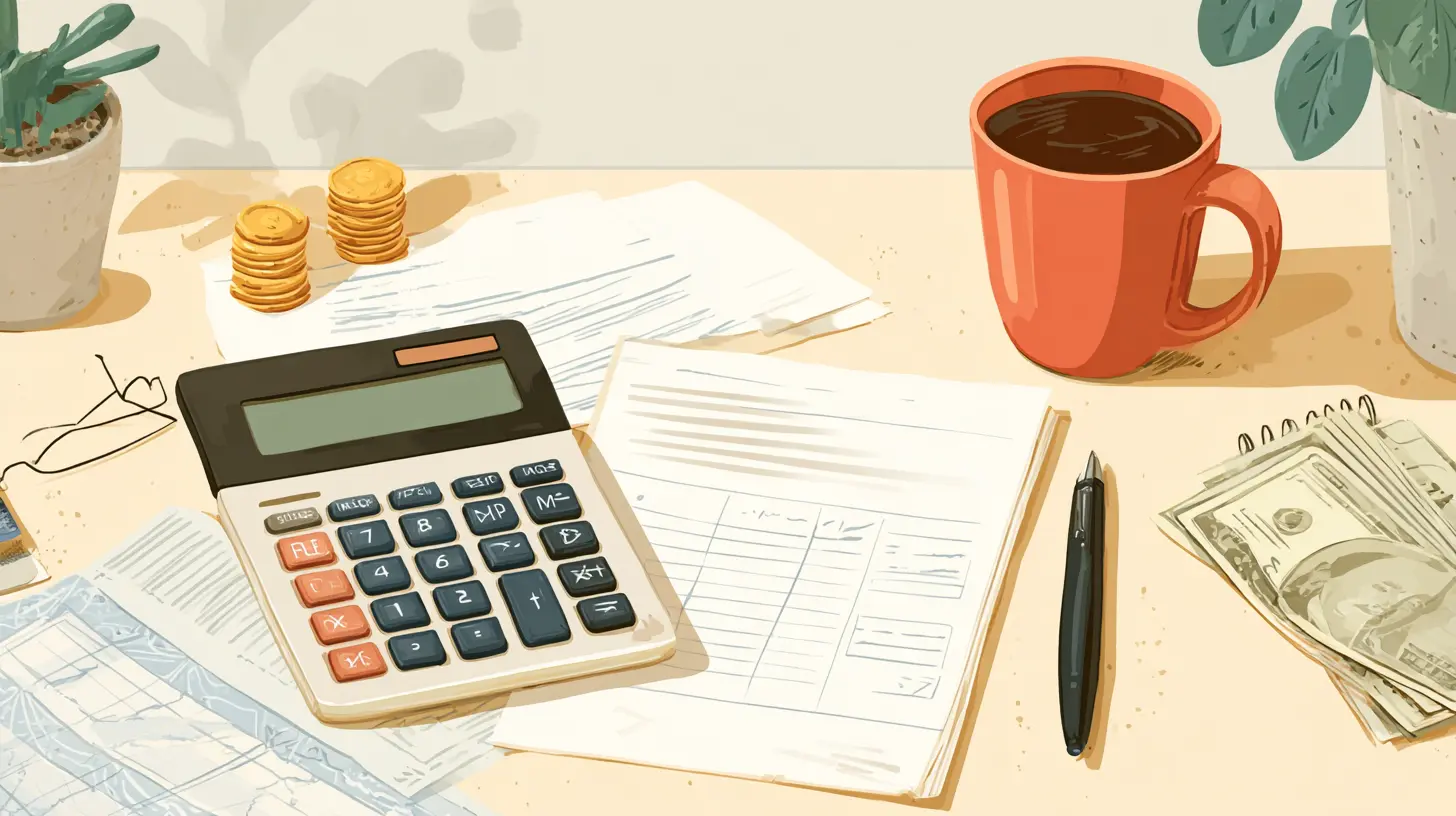
Irregular expenses are those that don’t occur on a fixed monthly schedule. Unlike rent, groceries, or utility bills, these expenses tend to pop up occasionally or unexpectedly. Here are some common examples:- Annual or semi-annual bills – Insurance premiums, property taxes, and car registration fees.
- Medical expenses – Doctor visits, prescriptions, and emergency treatments.
- Car maintenance – Oil changes, new tires, and unexpected repairs.
- Home repairs – Replacing appliances, plumbing issues, or major renovations.
- Seasonal expenses – Holiday shopping, back-to-school purchases, and travel.
Since these expenses don’t show up every month, they can wreak havoc on your finances if you’re not prepared. But don’t worry—we’ll go over how to handle them with ease.

Why Do Irregular Expenses Cause Problems?
The biggest issue with irregular expenses is that they catch people off guard. You might have the perfect budget set up for your monthly bills and savings, but then—bam!—a $600 car repair bill lands in your lap.When that happens, most people have to:
- Dip into their savings (or worse, their emergency fund).
- Rely on credit cards, racking up debt.
- Scramble to cut other expenses at the last minute.
None of these are ideal. But the good news? You can plan ahead and stop these expenses from wrecking your finances.

How to Manage Irregular Expenses Like a Pro
1. Identify Your Irregular Expenses
The first step is to make a list of all possible irregular expenses you might face in a year. Some of these will be predictable (like annual insurance) while others might be unexpected (like home repairs).Take a look at your past bank statements and jot down any expenses that aren’t monthly but still occur throughout the year.
2. Estimate the Costs
Once you have your list, estimate how much you’ll need for each item. For predictable expenses (like insurance or car registration), you can check past statements for exact figures. For others (like medical bills or home repairs), make an educated guess based on previous years.3. Break It Down Monthly
Now that you have an estimated total for each expense, divide it by 12 to figure out how much you need to save per month.For example:
- If your car insurance is $1,200 per year, you’ll need to save $100 per month.
- If you expect to spend $600 on car repairs yearly, that’s $50 per month.
By breaking it down into smaller amounts, these big expenses won’t feel as overwhelming.
4. Create a Sinking Fund
A sinking fund is a savings account specifically set aside for irregular expenses. Instead of scrambling for cash when these costs arise, you’ll have money ready to go.You can either have one big sinking fund or separate funds for different expenses (like one for car repairs and another for medical costs).
To keep things organized:
- Use a high-yield savings account to earn a little extra on your savings.
- Consider multiple savings accounts for different categories.
- Use budgeting apps or spreadsheets to track your sinking funds.
5. Automate Your Savings
Once you know how much you need to save each month, automate it! Set up automatic transfers so a portion of your income gets deposited into your sinking fund(s) every month.This way, you don’t even have to think about it—it just happens, and your future self will thank you.
6. Adjust When Needed
Life happens. Maybe you underestimated how much you’d need for home repairs or medical bills. That’s okay! The key is to stay flexible and adjust your savings plan as necessary.If an unexpected expense pops up that your sinking fund can’t fully cover, try to use cash or savings before resorting to credit cards. Then, tweak your monthly contribution to replenish your fund.

Extra Tips to Stay on Top of Irregular Expenses
- Use a separate bank account – Keeping your sinking funds separate from your main checking account helps prevent accidental spending.- Review your plan quarterly – Take a few minutes every three months to reassess your expenses and see if you need to adjust your savings amounts.
- Look for ways to save on big-ticket expenses – Compare insurance rates, negotiate medical bills, and shop around for repairs instead of taking the first quote you get.
- Be realistic – It’s tempting to underestimate costs, but aim high so you’re not short when the bill comes due.
What If You Haven’t Saved Enough?
Let’s be real—sometimes, despite your best efforts, an expense will be bigger than what you’ve saved for. If that happens:1. Look at your other sinking funds – Can you borrow from another category?
2. Trim your budget – Cut back on discretionary spending to free up extra cash.
3. Find extra income – Take on a side gig, sell unwanted items, or pick up extra hours at work.
4. Use your emergency fund (as a last resort) – If the expense is truly urgent, an emergency fund can fill the gap—but make rebuilding it a priority.
Final Thoughts
Irregular expenses don’t have to derail your finances. By planning ahead, creating sinking funds, and automating your savings, you can handle these costs stress-free.The key is consistency. Set aside small amounts regularly, and when those big expenses come around, they won’t feel like a crisis. You'll be prepared, your budget stays intact, and you can avoid unnecessary debt.
So, start today—take a few minutes to list your irregular expenses, calculate your savings needs, and set up a plan. Your future self will thank you!
all images in this post were generated using AI tools
Category:
Money ManagementAuthor:

Harlan Wallace
Discussion
rate this article
1 comments
Katie Newton
Managing irregular expenses is like juggling while riding a unicycle-tricky but totally doable! With a little planning and creativity, you can keep your balance and maybe even throw in a couple of fun tricks along the way!
June 2, 2026 at 5:03 AM