Understanding Market Bubbles Through the Lens of Speculative Investing
13 August 2026
Let’s be real — investing can sometimes feel like riding a rollercoaster. The highs? Exhilarating. The lows? Gut-wrenching. And for many of us, the twists and turns often come with no warning. That’s where market bubbles sneak in, especially when speculative investing is involved. It’s like blowing up a balloon without knowing when it’ll pop — but pop, it usually does.
In this article, we’ll break down what market bubbles really are, why speculative investing feeds them, and how you can spot the signs before getting caught up in the hype. No jargon, no fluff — just a clear look at one of the most fascinating (and risky) phenomena in finance.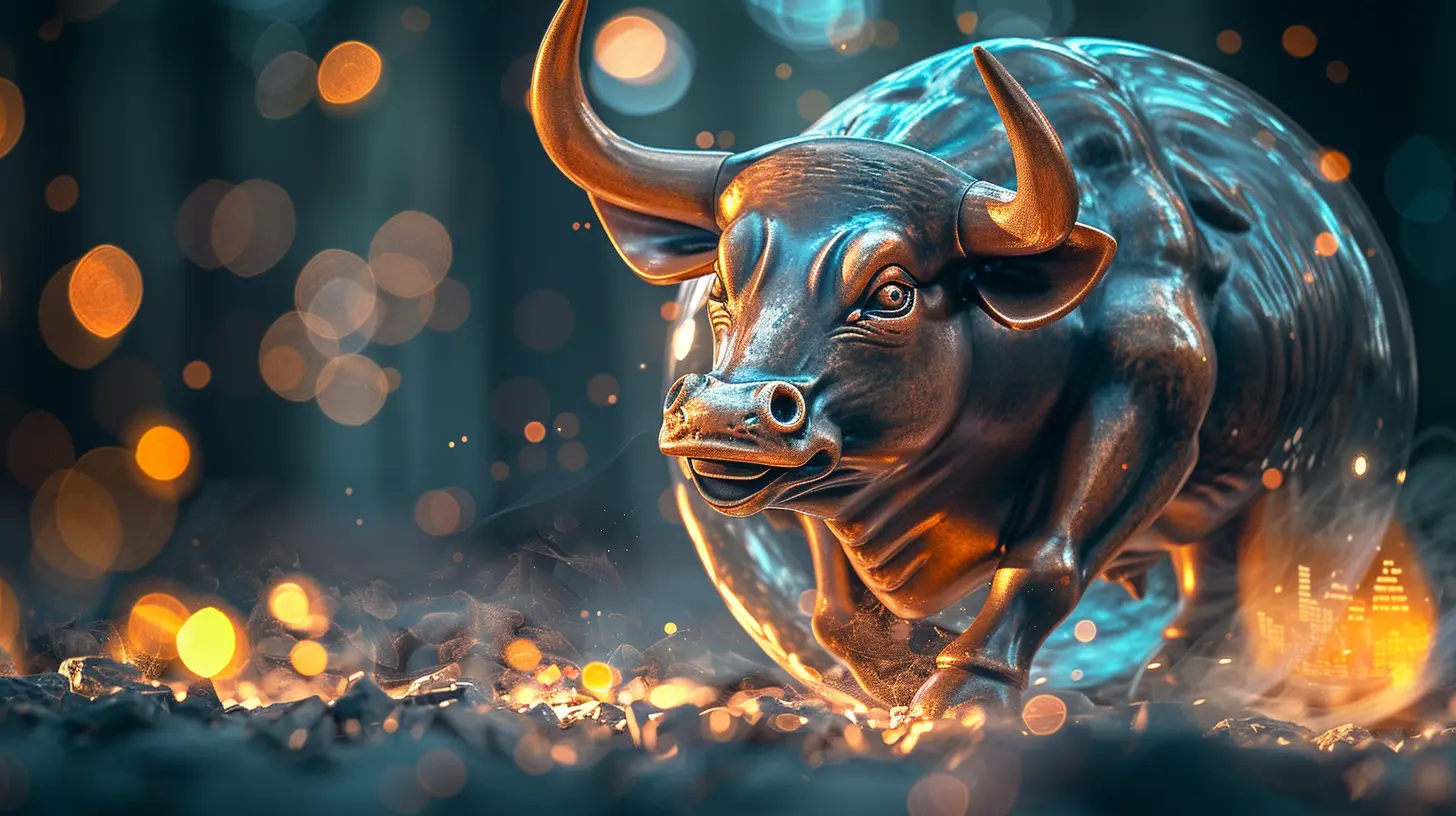
What Is a Market Bubble, Really?
Alright, picture this — you're at a party, and someone starts talking about this "can’t miss" investment. Everyone jumps on the bandwagon, prices skyrocket, and suddenly, that asset is worth more than anyone ever imagined. Then poof — it crashes down to earth. That's a market bubble in action.In simple terms, a market bubble happens when the price of an asset — stocks, real estate, Bitcoin, NFTs, you name it — rises far above its intrinsic value. Why? Because people aren’t buying based on facts. They’re buying based on emotion, hype, and the fear of missing out (FOMO).
The Life Cycle of a Bubble
Market bubbles typically follow a predictable pattern, kind of like the stages of a bad relationship. Here's how it usually goes:1. Displacement: Some new trend or innovation catches the market’s eye.
2. Boom: Prices start rising — slowly at first, then rapidly.
3. Euphoria: Everyone’s all in. “This time it’s different,” they say.
4. Profit-taking: Smart money starts to cash out.
5. Panic: The bubble bursts. Prices plummet. Chaos unfolds.
Sound familiar? If not, wait 'til we hit the examples. But first…
What Exactly Is Speculative Investing?
Let’s not sugarcoat it — speculative investing is essentially gambling with a finance diploma. It involves betting on assets that have a high risk of losing value but also the potential for huge gains. Think of it as swinging for the fences — sometimes you hit a home run, other times, you strike out.Speculative investments often include:
- Penny stocks
- Cryptocurrencies
- Start-ups without profits
- Collectibles (like rare art or even Pokémon cards)
The common thread? The value is largely driven by what people think it's worth, not what it’s actually worth.
Connecting the Dots: How Speculative Investing Inflates Bubbles
So how does speculative investing tie into market bubbles? One word: hype.When investors get caught up in the possibility of massive returns, they often throw common sense out the window. Speculators jump in, prices soar, and before you know it, everyone is buying not because the asset is solid — but because they think someone else will pay even more for it. That’s called the “Greater Fool Theory.”
Let’s break it down:
- Speculators buy early, hoping for big returns.
- Momentum builds as more people hop on.
- Media catches fire, adding fuel to the frenzy.
- Prices explode, far past reasonable levels.
- Reality kicks in, and the market corrects — sometimes violently.
It’s a dangerous dance of emotion, greed, and timing. And the music always stops.
Real-World Bubbles: A Look Back
You’ve probably heard about at least one of these infamous bubbles. Let’s revisit them to see speculative investing in action.1. The Dot-Com Bubble (Late '90s to 2000)
Everyone and their cousin was investing in Internet companies. Even startups with no revenue were being valued in the billions. Why? Because “the Internet will change everything” — which it did, just not quite how investors expected.Speculative frenzy + no underlying earnings = epic crash.
When the bubble burst in 2000, the NASDAQ lost nearly 80% of its value. Ouch.
2. The Housing Bubble (Mid-2000s)
Remember 2007? Housing prices were sky-high, and banks were handing out mortgages like candy. People assumed home prices could never go down (big mistake), and speculative real estate investing ran wild.When the financial system cracked, the global economy paid the price. Millions lost their homes, jobs, and retirement savings.
3. The Crypto Boom & Bust (2017, Again in 2021)
Bitcoin at $20,000 in 2017. Crash. Then Bitcoin at $60,000+ in 2021. Crash again.Crypto is the poster child for speculative investing. Rapid gains attracted everyone from Wall Street pros to your Uber driver. But with no clear valuation metrics and constant volatility, the bubble burst was inevitable — more than once.
Why Do We Keep Falling Into These Bubbles?
Honestly? Because we’re human. Psychology plays a huge role in speculative behavior. Let’s unpack it:1. FOMO (Fear of Missing Out)
When people start getting rich off an asset, others pile in — not wanting to miss the boat, even if the boat is on fire.2. Herd Mentality
If everyone is investing in something, we assume they must know something we don’t. Spoiler: they usually don’t.3. Overconfidence
We all think we’re smarter than we are. “I’ll get in early and get out before it crashes,” says everyone... right up until it crashes.4. Confirmation Bias
We seek out headlines and opinions that support our beliefs and ignore anything that challenges them. Dangerous stuff in investing.Can You Spot a Bubble Before It Pops?
Short answer: It’s tough — but not impossible. While you won’t get a flashing red light that says, “This is a bubble,” there are warning signs:- Skyrocketing prices without real earnings or value
- Everyone's talking about it — even people who never invest
- Loose lending standards or easy access to credit
- Media hype feeding the narrative
- Valuations far above historical norms
If it feels too easy, too fast, or too good to be true — it probably is.
Avoiding the Trap: How to Invest Smarter
Speculative investing isn’t always bad. Some people strike gold. But if you want to play it safe (or at least smarter), here are some tips:1. Do Your Homework
Always dig deeper. Don't just take someone’s word for it. Understand what the asset does, how it makes money, and its real-world value.2. Limit Your Exposure
If you're going to speculate, use only a small portion of your portfolio — money you can afford to lose.3. Set Rules for Yourself
Decide in advance when you’ll sell, take profits, or cut losses. Emotions mess with judgment when prices swing wildly.4. Diversify
Never put all your eggs in one basket — unless that basket is made of Kevlar and has parachutes.5. Watch for the Exit
Getting in is easy. Getting out with money in hand? That’s the trick. Be ready to move when things shift.Final Thoughts: Riding the Line Between Risk and Reward
Speculative investing can be thrilling, no doubt. But let’s not pretend it’s a guaranteed path to riches. It’s high risk, high reward — and that reward often comes with a bitter aftertaste if you're not careful.Market bubbles, fueled by speculative investing, show just how fast things can go off the rails. The best defense? Stay grounded, stay informed, and remember: just because everyone’s doing it doesn’t mean it’s the smart move.
You don’t need to chase every shiny object to build wealth. Sometimes, boring works. And when the bubble bursts, you’ll be glad you didn’t put all your chips in the hype machine.
all images in this post were generated using AI tools
Category:
Speculative InvestingAuthor:

Harlan Wallace