What Happens When Your Credit Card Gets Declined
29 May 2026
We've all been there. You're standing at the checkout line, your cart full of groceries, and the cashier just swiped your card. Then... that dreaded message appears: “Transaction Declined.” You freeze. People behind you start shifting impatiently. You feel your face turning red. Why did it happen? What went wrong?
A declined credit card can be embarrassing, frustrating, and even alarming—but it's not the end of the world. Let’s break it all down and walk through exactly what happens when your credit card gets declined, why it might happen, how to react, and what to do next. Ready? Let’s roll up our sleeves and get into it.
What Does “Credit Card Declined” Actually Mean?
At its core, a credit card decline means the transaction you tried to make was not approved by your card issuer. It’s basically your bank or financial institution saying, “Nope, not right now.”This doesn’t always mean you're out of money or over your limit. Sometimes, it's your bank being overly cautious. Other times, there’s an actual problem with your account. The key is figuring out which one you're dealing with.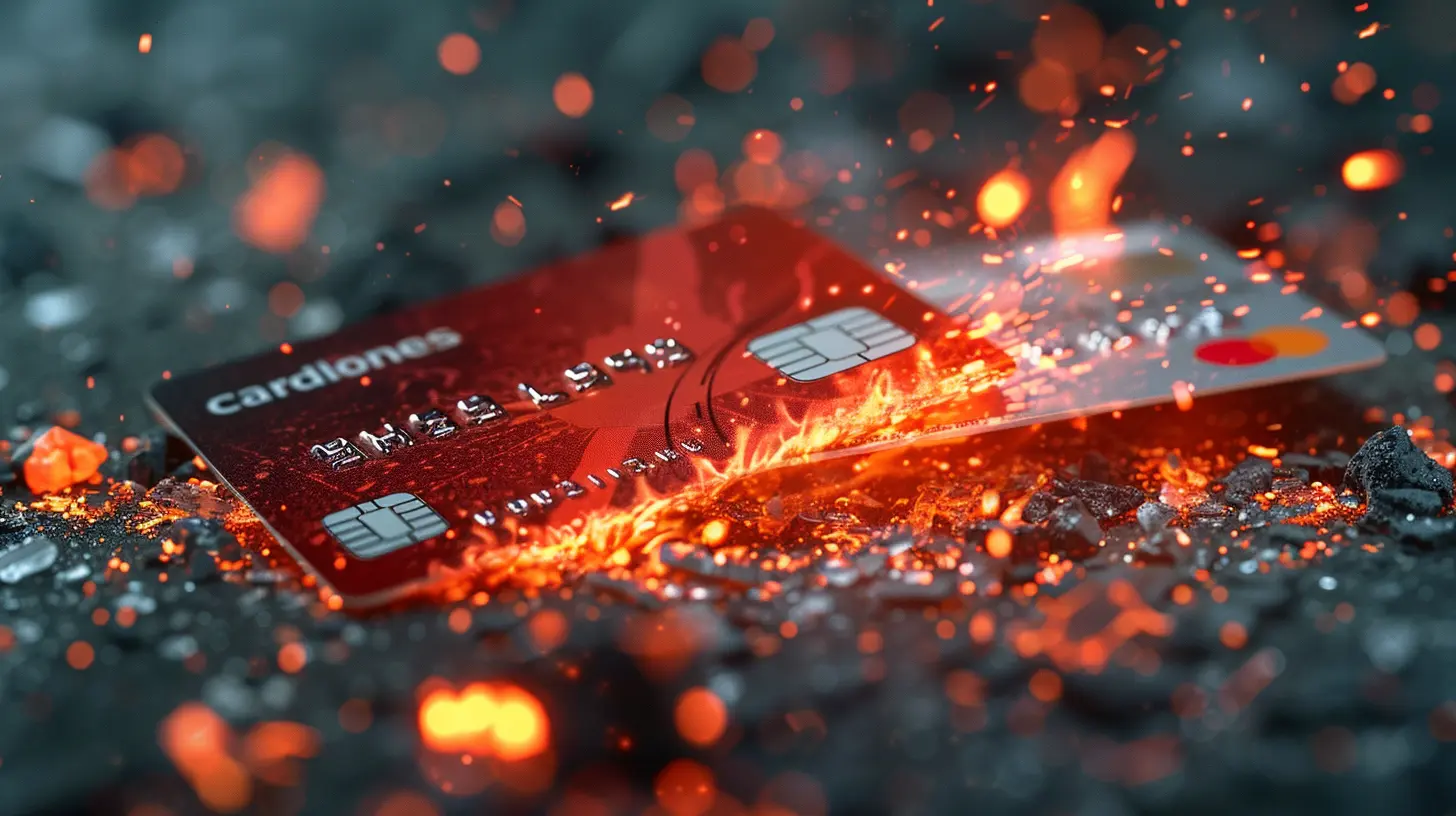
Common Reasons Why Your Credit Card Might Get Declined
Understanding why your card was declined is half the battle. Here are the most common culprits:1. Insufficient Credit Limit
The most obvious one—your purchase exceeds the available credit on your card. If your limit is $2,000 and you've already used $1,950, a $100 charge will get rejected.> Tip: Always keep an eye on your available balance via your banking app.
2. Expired Card
Sometimes, it's as simple as your card being expired. If you haven't activated your new card or didn’t notice the expiration date, you might get declined.3. Incorrect Information
Entered the wrong billing address? Missed a digit on the CVV code? Small mistakes like these can lead to a big “declined” message, especially with online purchases.4. Fraud Alerts or Suspicious Activity
Banks monitor your spending patterns. If you suddenly buy something expensive abroad or make several purchases in a short span, your issuer may flag it as suspicious and freeze the card temporarily.5. Past Due Payments
If you’ve missed a payment or two, your issuer might lock your card until the balance is paid. Think of it as their way of saying, “Let’s sort out the past before moving forward.”6. Technical Glitches
Sometimes, it’s not even your fault. Network issues, banking system downtime, or broken chip readers can cause a perfectly valid card to be declined.
What Should You Do If Your Credit Card Gets Declined?
The first rule? Don’t panic. Here are a few steps to keep your cool and take control.Step 1: Try Again or Use a Different Payment Method
Sometimes, it’s just a hiccup. Try re-inserting the card or using contactless payment. If that doesn’t work, switch to a backup card or use a debit card or cash.Step 2: Check Your Banking App or Call the Issuer
Look at your recent transactions, balance, and alerts straight from the source. Most banking apps give real-time updates and can even tell you exactly why the transaction was declined.Can’t find the answer? Call the number on the back of your card. A quick chat with customer support usually clears things up.
Step 3: Verify Your Card Details
If the issue happened online or over the phone, double-check the card number, expiration date, CVV, and billing address.Step 4: Address Any Issues
Was it a missed payment? Is your card expired? Do you need a credit limit increase? Once you identify the problem, deal with it head-on.
How Can You Avoid Future Credit Card Declines?
Let’s face it—no one wants their card declined during a date or while picking up takeout. So here’s how to prevent that awkward moment from happening again:✅ Monitor Your Credit Usage
Keep your spending within your available credit. Many experts recommend staying under 30% of your credit limit.✅ Stay on Top of Due Dates
Set payment reminders or enable auto-pay. A missed payment not only risks a decline but also hurts your credit score.✅ Update Your Info Regularly
Moved recently? Got a new phone number? Changed bank accounts? Double-check that your credit card company has your correct details.✅ Communicate Travel Plans to Your Issuer
Heading overseas or taking a road trip? Let your bank know. This reduces the risk of them thinking your purchases are fraudulent.✅ Keep a Backup Card (Just in Case)
Having a second credit card can be a lifesaver when your main one unexpectedly fails.When Should You Be Worried About a Card Decline?
Most declines are harmless and temporary, but some can signal deeper issues. Watch out for these red flags:- Repeated declines over several days
- Inability to reach customer service
- Suspected fraud on your statement
- Unexpected large charges or balance discrepancies
If stuff like this starts happening, it’s time to dig deeper. You could be dealing with identity theft, a stolen number, or a bank error. Don’t ignore it.
What If It’s Declined Due to Fraud?
This one’s serious, but thankfully, banks are pretty solid when it comes to spotting and handling fraud.If your card was declined because of suspected fraud:
1. You’ll likely get a notification or call from your bank.
2. They may freeze the card for security.
3. You’ll be asked to verify recent transactions.
4. If fraud is confirmed, they’ll cancel the card and issue a new one.
Remember, if you report fraud quickly, you’re typically not liable for any unauthorized charges.
> PSA: Always review your statements each month. The earlier you catch suspicious activity, the better.
How Does a Decline Affect Your Credit Score?
Here’s some good news—a single declined transaction doesn’t directly affect your credit score. Whew!However, the underlying reasons behind the decline can impact your credit. For example:
- Missed payments are a big hit to your score.
- Maxing out your card affects your credit utilization ratio.
- A closed card due to non-payment will definitely damage your score.
So while the decline itself is harmless, the root cause might not be. Keep your finances in check and your score will follow.
Is It the Merchant or Your Card?
Interesting twist—not all declines are your fault. Sometimes, the merchant's payment processor is the issue.Say your card works fine elsewhere but keeps failing at a specific store or website. That’s a hint the problem lies on their end, not yours. Don’t be afraid to ask the cashier to try a different terminal or suggest typing in the card manually.
Final Thoughts: Don’t Let a Declined Card Ruin Your Day
Everyone deals with a credit card decline at some point. It’s one of those minor headaches in life—like locking your keys in the car or forgetting your email password. Annoying? Yes. Life-altering? Not at all.The key takeaway? Stay informed, monitor your accounts, and don’t hesitate to reach out to your card issuer. Think of them as your financial support squad. That unexpected decline could be a helpful warning sign or just a momentary glitch.
Either way, you’re in control.
FAQs: Quick Answers to Common Questions
Q: Can I retry the same card after it’s declined?A: Yes! Sometimes retries work, especially if it was a tech glitch.
Q: Will I be charged if the card is declined?
A: No, no funds are withdrawn if the transaction doesn't go through.
Q: How long does it take to fix a declined card?
A: It depends on the reason. Some fixes are instant (like updating info); others (like resolving fraud) might take a few days.
Q: Will merchants know why your card was declined?
A: Usually not. They just see a code or message like “DECLINED”—the details are between you and your bank.
all images in this post were generated using AI tools
Category:
Credit CardsAuthor:

Harlan Wallace
Discussion
rate this article
1 comments
Willow McGehee
Don't let a declined card discourage you. It's a chance to reassess and improve your finances.
May 31, 2026 at 11:51 AM
Harlan Wallace
That's a great perspective. It can be a valuable moment to reflect and make positive changes.