The Psychological Effects of Inflation on Consumer Behavior
2 January 2026
We feel it at the grocery store. At the gas pump. Heck, even when ordering takeout. Inflation—we hear the word thrown around often, but how does it really affect our brains and behavior when it comes to spending money?
Inflation doesn't just shrink our wallets; it shakes up our mindset. Understanding this connection between rising prices and our purchasing habits can help us make smarter financial decisions. So, if you've ever wondered why your shopping patterns have changed—or why you're suddenly hunting for sales like it's a sport—you're about to find out why.
What Is Inflation, Really?
Before we dive into the psychological whirlpool, let’s clear the air. Inflation is a rise in the general price level of goods and services over time. It means your dollar doesn't stretch as far today as it did yesterday.Think of it like this: inflation is a slow leak in your financial tire. You might not notice it immediately, but over time, it can throw your whole journey off course.
Why Should We Care About the Psychological Effects?
Because inflation doesn’t only hit our pocketbooks—it messes with our heads. Rising prices create stress, uncertainty, and a general feeling of losing control over our finances. And when humans feel out of control, we don’t always make the smartest choices.Understanding how inflation affects us mentally can help us avoid those not-so-great money decisions and instead respond with more awareness and confidence.
1. The Anxiety Spiral: Inflation and Financial Stress
Let’s start with the big one—stress. Inflation makes everything feel more expensive because, well, it is. Groceries, rent, gas, entertainment—it all adds up.That constant pressure creates:
- Money Anxiety: You start worrying about whether you'll be able to afford basic necessities.
- Decision Fatigue: Comparing prices, budgeting more tightly, and hunting for deals takes mental energy.
- Fear of the Future: Inflation brings unpredictability. Will prices keep rising? How long will this last?
When we feel like we’re losing control, we get anxious. And anxious consumers tend to make emotional rather than rational decisions.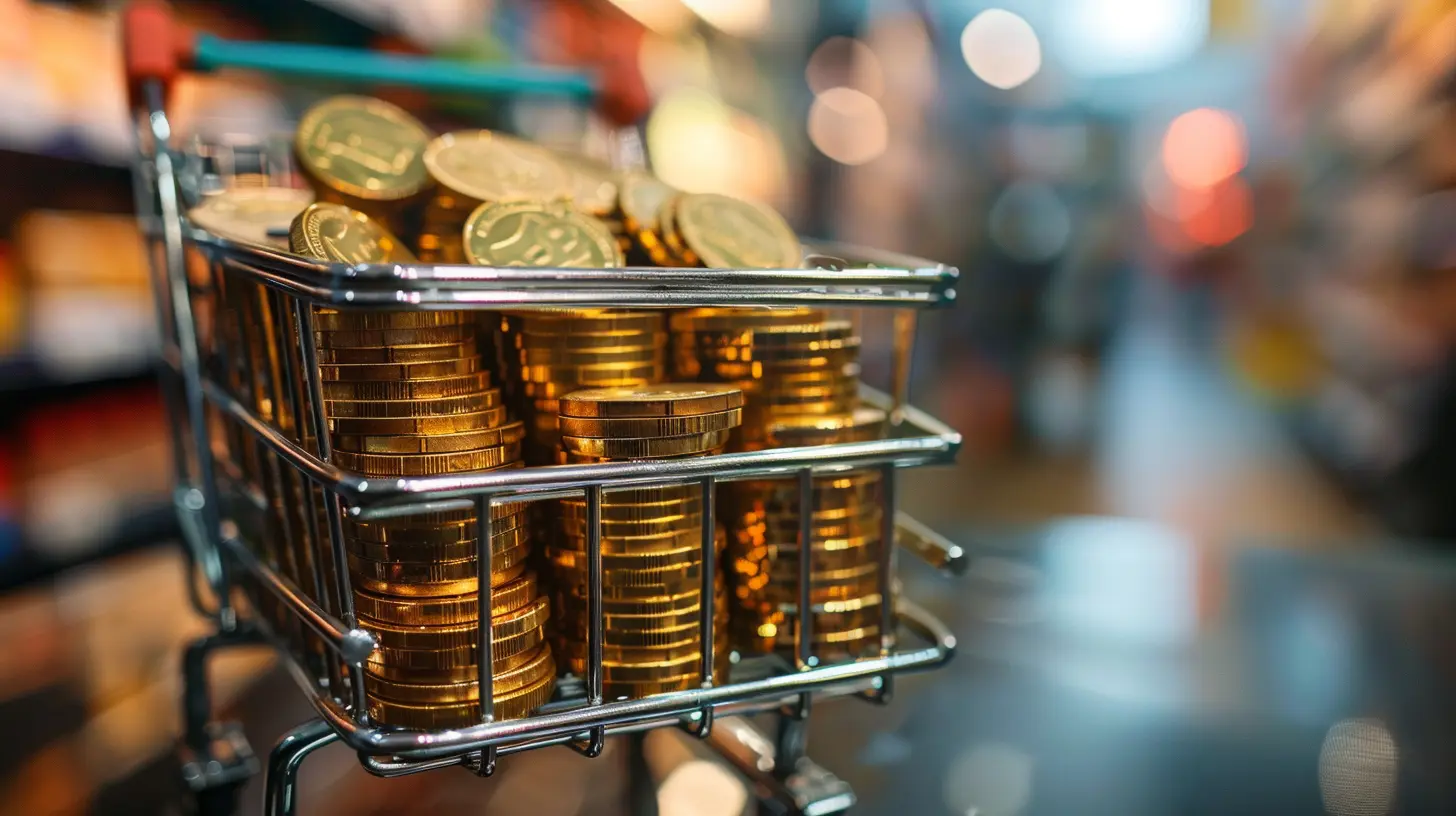
2. The Scarcity Mindset Kicks In
Inflation can trigger a “scarcity mindset.” That’s when we believe there’s not enough to go around—whether it's money, resources, or time.This mindset leads to behaviors like:
- Panic Buying: Ever stocked up on toilet paper or canned food just in case? That’s scarcity talking.
- Hoarding: We tend to hold onto what we have, even if we don’t need it urgently.
- Impulse Spending: Ironically, people sometimes spend more during inflation because “prices might go up even more.”
It’s irrational, but it’s very human.
3. Value Perception Gets Warped
Inflation messes with our sense of value. When prices climb, it becomes harder to tell what’s truly “worth it.”Suddenly that $5 cup of coffee feels like a luxury. A night out at a restaurant? Maybe not this month. But here’s the twist—because people crave normalcy, they sometimes continue to buy high-ticket items to feel like things haven’t changed.
This tug-of-war between cutting costs and preserving comfort can lead to:
- Selective Spending: Cutting back on essentials but splurging on small luxuries for emotional gratification.
- Brand Loyalty Shake-Ups: People may ditch trusted brands for cheaper alternatives.
- Increased Sensitivity to Price Changes: Even tiny price hikes spark big reactions.
4. The Rise of Budgeting and Financial Planning
Here’s one of the good psychological effects of inflation: people start paying attention to their money more.Inflation often forces consumers to:
- Track expenses religiously
- Compare deals and hunt for coupons
- Create or revise monthly budgets
- Reconsider their savings and investment plans
This increase in money mindfulness can lead to better financial habits—if people can manage the stress that comes with it.
5. Consumer Confidence Takes a Hit
When prices keep rising, people start to lose faith in the economy. That’s what economists call a dip in “consumer confidence.”Low confidence can result in:
- Delayed big purchases—like homes, cars, or vacations
- Reduced discretionary spending—less money spent on entertainment, fashion, or dining out
- Increased saving (for those who can afford it)—as a safety net against future uncertainty
But the irony? When people cut spending across the board, it can actually slow down the economy further.
6. Shifts in Spending Priorities
Inflation forces consumers to rank their needs more rigidly. People begin to ask themselves:> “Do I really need this, or just want it?”
As a result, we witness noticeable shifts in consumer behavior such as:
- Prioritizing necessities (food, shelter, utilities) over luxury or “fun” items
- DIY culture boom—more people cook at home, do repairs themselves, etc.
- Preference for durability—products that last longer feel like better investments
People are looking not just for cheaper options but for better value overall.
7. The Emotional Toll of Lifestyle Downgrades
Let’s talk about something that’s rarely mentioned—how lifestyle changes affect our identity and self-worth.When you can no longer afford what you used to enjoy, it can sting emotionally. Whether it’s eating out less, skipping vacations, or buying lower-quality items, these changes can lead to:
- Feelings of shame or embarrassment
- Social comparison and jealousy
- A sense of failure or regression
This emotional burden can lead people to make poor financial choices in order to “keep up appearances,” putting them in deeper financial trouble.
8. Increase in Financial Literacy and Awareness
Here’s a silver lining! Inflation sparks curiosity. People want to understand what’s going on and how to protect themselves financially.As a result, there’s usually a rise in:
- Interest in personal finance blogs (hey, that’s us!)
- Sign-ups for financial education courses
- Engagement in discussions about money, budgeting, and investing
Inflation doesn’t cause financial literacy, but it certainly motivates it.
9. Behavior From Different Demographics
Did you know age and income level affect how we respond to inflation?- Younger people tend to feel more stress because they’re early in their careers with lower wages.
- Older adults on fixed incomes panic because inflation erodes their buying power.
- Lower-income groups get hit hardest and adjust spending the most.
- High earners may delay big purchases but are generally better cushioned.
These groups respond differently, but the psychological impact is widespread.
10. The Long-Term Effects: Behavior That Lingers
Even after inflation cools off, the behavioral changes can stick around. People who’ve lived through high inflation tend to:- Stay cautious in their spending
- Prioritize saving and investing
- Be wary of debt
- Continue bargain-hunting habits
It’s like economic PTSD—a lasting imprint that shapes financial choices for years to come.
Final Thoughts: Navigating Inflation Without Losing Your Cool
Inflation is more than just an economic term—it’s a psychological storm. From anxiety and scarcity mindset to smarter budgeting and renewed financial literacy, it affects how we think, feel, and spend.But here’s the thing: You’re not powerless. By understanding how inflation messes with your mind, you can rise above the noise. You can stop reacting emotionally and start responding logically.
Build a budget. Prioritize value. Educate yourself. And most importantly—be kind to yourself. We’re all feeling it. But with a little awareness and a lot of patience, we can weather this storm, one smart decision at a time.
all images in this post were generated using AI tools
Category:
Inflation ImpactAuthor:

Harlan Wallace
Discussion
rate this article
2 comments
Grace Underwood
Great insights on the psychological impact of inflation! Understanding how it shapes consumer behavior is crucial for navigating these times. Let’s remain adaptable and proactive, finding opportunities even amidst challenges. Knowledge is power!
February 28, 2026 at 12:02 PM
Harlan Wallace
Thank you for your thoughtful comment! I'm glad you found the insights valuable. Adapting to these changes is indeed key to navigating economic challenges.
Ulrich Henson
Inflation challenges our financial mindset, but it also ignites resilience and adaptability. As consumers, understanding these psychological effects empowers us to navigate uncertainty, make informed choices, and seize new opportunities for growth in our journeys ahead.
January 9, 2026 at 12:09 PM
Harlan Wallace
Thank you for highlighting the dual impact of inflation on our mindset. Embracing resilience and adaptability is crucial for navigating these challenges and making informed choices. Your insights enrich our understanding of consumer behavior during uncertain times.